
Things You Must Know Before Visiting Dubai in 2025
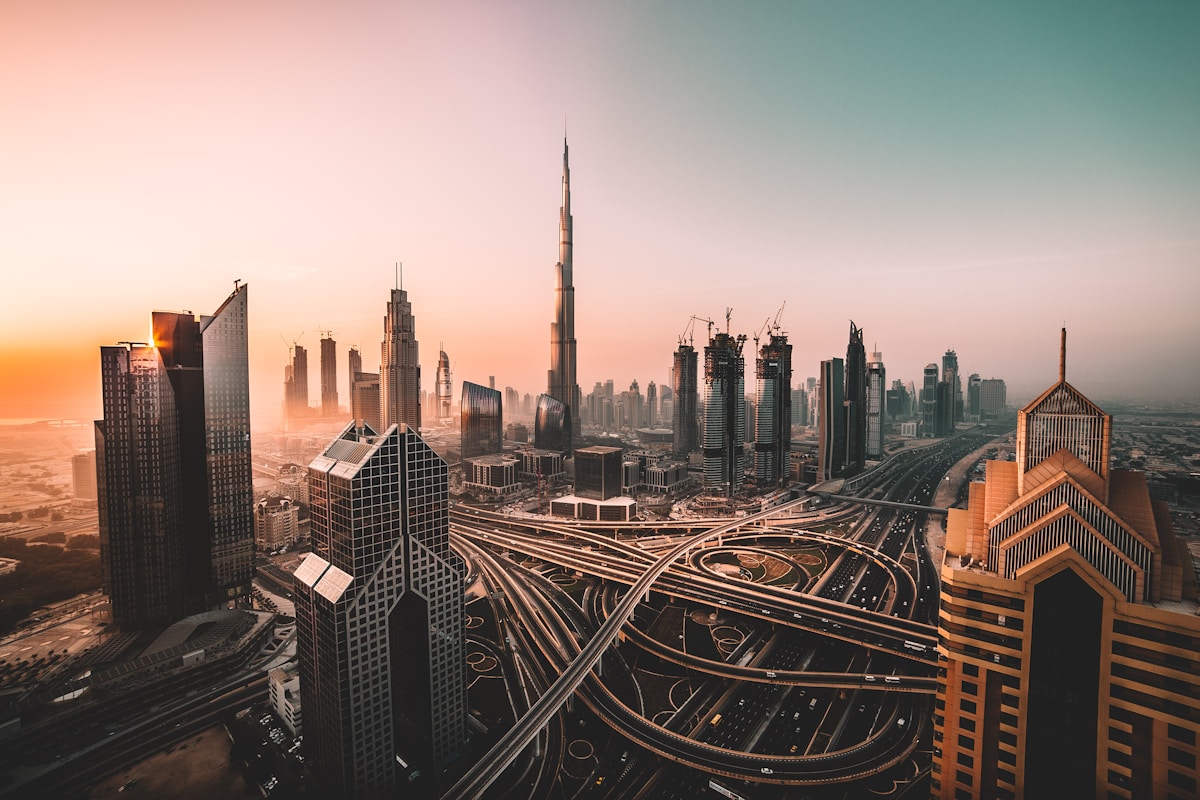
Dubai isn't just a destination anymore—it's an experience that keeps reinventing itself. If you're planning a trip in 2025, you're in for something different from even two years ago. This city moves fast. New districts open, rules get updated, and what worked for travelers last year might not apply now. Whether it's your first visit or a return trip, having current information makes the difference between a smooth journey and unnecessary headaches. Here's everything you need to know before you land.
Dubai in 2025: What's New
Dubai never stands still, and 2025 brings several changes worth noting.
The Dubai Creek Harbour district has opened more sections to the public, offering a waterfront experience that rivals the Marina. The Museum of the Future continues to draw massive crowds, so booking ahead is now essential rather than optional. Bluewaters Island has expanded its dining scene significantly, giving you more variety beyond the usual tourist spots.
Tourism regulations have tightened around drone usage—you now need explicit permission from authorities before flying one, even for personal content. The good news? The city has become more pedestrian-friendly in certain zones, with covered walkways and improved signage making it easier to explore on foot in cooler months.
Sustainability has become a bigger focus. You'll notice more electric taxis and charging stations, plus several hotels have introduced eco-friendly initiatives that actually make a difference rather than just sounding good on paper.
The digital nomad visa has gained traction, meaning you'll encounter more long-term visitors who can share insider knowledge. This shift has changed the vibe slightly—there's a growing community of people who live here part-time rather than just passing through.
Planning your Dubai trip? Check out our travel blog for more destination guides and use our travel planning tools to organize your itinerary efficiently.
Weather and Best Time to Visit
Let's be direct about Dubai's climate: it gets seriously hot.
From June through September, temperatures regularly hit 40°C (104°F) and above. The humidity makes it feel even worse. If you visit during summer, you'll sprint between air-conditioned spaces and won't enjoy outdoor attractions. Not ideal for a holiday.
November through March offers the best weather. Temperatures range from 20°C to 30°C (68°F to 86°F), perfect for beach days, desert safaris, and walking around neighborhoods like Al Fahidi. These months are peak season, so prices increase and popular spots get crowded, but the trade-off is worth it.
April, May, and October sit in a middle zone. Mornings and evenings are pleasant, but midday heat can be intense. If you handle warmth well and want better prices, these shoulder months work.
Winter also brings major events. The Dubai Shopping Festival runs January through February, while Dubai Food Festival happens in March. If you time your visit with these, you'll have more to do, though expect larger crowds.
One thing people forget: even in winter, the sun is strong. You'll need sunscreen regardless of the month.
Entry Requirements and Visa Rules
Most nationalities get visa on arrival, making entry straightforward.
If you're from the US, UK, EU, Australia, or several dozen other countries, you'll receive a free 30-day tourist visa when you land. No advance paperwork needed. Just make sure your passport has at least six months validity remaining—immigration takes this seriously.
Some nationalities need to arrange visas before arrival. Check the UAE government's official website or contact your nearest embassy if you're unsure about your status.
For remote workers, Dubai offers a one-year virtual working visa. You'll need to show proof of employment with a non-UAE company and meet minimum salary requirements (around $5,000 monthly). Processing takes a few weeks, so don't expect to sort this on arrival.
Keep digital and physical copies of important documents: passport, return flight booking, hotel reservation, and travel insurance. Immigration rarely asks for all of these, but having them prevents problems if they do.
The airport experience is efficient. Lines move quickly, and staff are professional. You'll go through immigration, collect bags, and be out within 45 minutes typically, unless you arrive during a rush period.
Local Laws and Cultural Etiquette
This section matters more than most travelers realize. Dubai is liberal compared to other Gulf cities, but it's still a Muslim country with specific expectations.
Dress Code
In malls, restaurants, and public spaces, dress modestly. This doesn't mean you need to cover everything, but avoid extremely short shorts, see-through clothing, or anything overly revealing. Swimwear is fine at beaches and pools but cover up when you leave those areas. Walking through a mall in a bikini will get you asked to leave or worse.
Women don't need to wear a headscarf unless visiting a mosque, and even then, most provide coverings for visitors. Men should avoid going shirtless outside of beach and pool areas.
Behavior and Conduct
Public displays of affection beyond hand-holding can attract attention or even police involvement. Save the romance for private spaces. Holding hands is generally accepted, but kissing in public pushes boundaries.
During Ramadan (which shifts dates yearly based on the lunar calendar), don't eat, drink, or smoke in public during daylight hours. Most restaurants close until sunset, though hotels usually have screened areas where non-fasting guests can eat discreetly. Show respect during this month—it means a lot to locals.
Swearing and rude gestures are taken seriously. What might be brushed off elsewhere can lead to fines or legal trouble here. Keep frustrations to yourself.
Photography and Social Media
Don't photograph people without permission, especially women. Government buildings, military installations, and airports have restrictions on photography—look for signs or ask if unsure.
Be careful what you post online. Sharing content that insults Islam, the UAE government, or local culture can result in serious legal consequences, even if you've already left the country. This isn't hypothetical—people have been arrested for social media posts.
Alcohol Rules
You can drink in licensed venues like hotels, bars, and restaurants, but not on the street or in public parks. Being drunk in public can get you arrested. Don't drink and drive—penalties are severe, and there's zero tolerance.
You cannot buy alcohol from regular stores. Hotels have liquor licenses, or you need a personal alcohol license to buy from specialized shops, though most tourists never bother with this.
Religious Sites
If you visit a mosque, dress conservatively and behave respectfully. Remove shoes before entering. Women may need to cover their hair. The Jumeirah Mosque offers guided tours for non-Muslims that explain customs clearly.
Money, Budget, and Costs in 2025
Dubai can be expensive, but you have control over spending depending on choices you make.
Daily Budget Breakdown
Budget travelers can manage on $75-100 daily if they're careful. This covers hostel or budget hotel accommodation, street food or cheap restaurants, public transport, and free or low-cost activities.
Mid-range travelers should plan for $200-350 daily. This gets you a decent hotel, restaurants for most meals, taxis when convenient, and entry to major attractions.
Luxury travelers will easily spend $500+ daily on five-star hotels, fine dining, private transport, and premium experiences.
Specific Costs
Metro rides cost between 3-8 AED ($0.80-2.20) depending on distance. A Nol card makes this cheaper than buying single tickets.
Taxis start at 12 AED ($3.25) with metered fares after. A 20-minute ride usually costs 30-50 AED ($8-14). Careem (like Uber) offers similar pricing with upfront quotes.
Meals vary wildly. You'll find shawarma for 10-15 AED ($3-4), casual restaurant meals for 40-80 AED ($11-22), and fine dining that starts around 200 AED ($55) per person before drinks.
Major attractions range from 60-200 AED ($16-55). The Burj Khalifa observation deck costs around 149 AED ($40) for basic access, more for sunset times or higher floors.
Hidden Costs
Tourism dirham fees get added to hotel bills—typically 7-20 AED per room per night depending on hotel rating.
Many attractions charge extra for photography, fast-track access, or premium experiences. Read the fine print when booking.
Water costs add up if you buy bottled water constantly in the heat. A large bottle costs 2-4 AED in supermarkets but 10+ AED at tourist spots.
Card Payments vs Cash
Cards work almost everywhere. Visa and Mastercard are widely accepted. Contactless payment is common. You'll need minimal cash—maybe 100-200 AED for small vendors, tips, or places that prefer cash.
ATMs are everywhere and most accept international cards. Check your bank's foreign transaction fees before relying heavily on ATM withdrawals.
Transport and Getting Around
Dubai is spread out, so understanding transport options saves time and money.
Metro
The Dubai Metro is clean, efficient, and air-conditioned. Two lines cover major areas: the Red Line runs from Rashidiya to UAE Exchange, passing through the airport, downtown, and Marina. The Green Line connects older areas like Deira and Bur Dubai.
Get a Nol card from any metro station—it's rechargeable and works on metro, buses, and trams. Silver cards cost 25 AED (including 19 AED credit). Top up as needed.
Trains run every 3-4 minutes during peak hours, longer during off-peak. Service starts around 5am (6am Fridays) and runs until midnight or 1am depending on the day.
Taxis and Ride-Sharing
Dubai taxis are metered and regulated. They're safe and professional. Hail them on the street, find them at taxi stands, or book through the RTA app.
Careem (owned by Uber) operates here and often offers slightly better rates than street taxis. The app shows upfront pricing, which removes uncertainty.
Ladies taxis (pink taxis driven by female drivers) are available for women and families who prefer them.
Walking
Some areas are walkable—Dubai Marina, JBR Beach, parts of Downtown. But distances are deceptive on maps. What looks like a 10-minute walk might be 25 minutes in reality, and the heat makes it exhausting.
Covered walkways exist in some districts, but they're not comprehensive. Plan walks for early morning or evening.
Car Rental
If you're confident driving, renting a car gives flexibility. Roads are excellent and well-signed. Parking is available most places for 2-4 AED per hour.
Traffic can be heavy during rush hours (7-9am, 5-8pm). Drive defensively—some drivers are aggressive.
Best Places to Visit in 2025
Dubai has iconic attractions everyone knows, plus newer spots worth your time.
Must-See Attractions
Burj Khalifa: The world's tallest building. Book observation deck tickets in advance, especially for sunset slots.
Museum of the Future: Stunning architecture and interactive exhibits about technology and sustainability.
Dubai Mall: More than shopping—aquarium, ice rink, fountain shows outside.
Dubai Marina Walk: Waterfront promenade with restaurants and views of luxury yachts.
Gold and Spice Souks: Traditional markets in Deira offering cultural contrast to modern Dubai.
Instagram-Worthy Spots
Al Fahidi Historical District: Traditional architecture, art galleries, quiet lanes.
Dubai Frame: Giant picture frame structure with views of old and new Dubai.
Bluewaters Island: Ain Dubai (currently closed but area is still photogenic) and beach clubs.
Miracle Garden: Massive flower garden (open November-May) with creative floral sculptures.
Free or Budget-Friendly Options
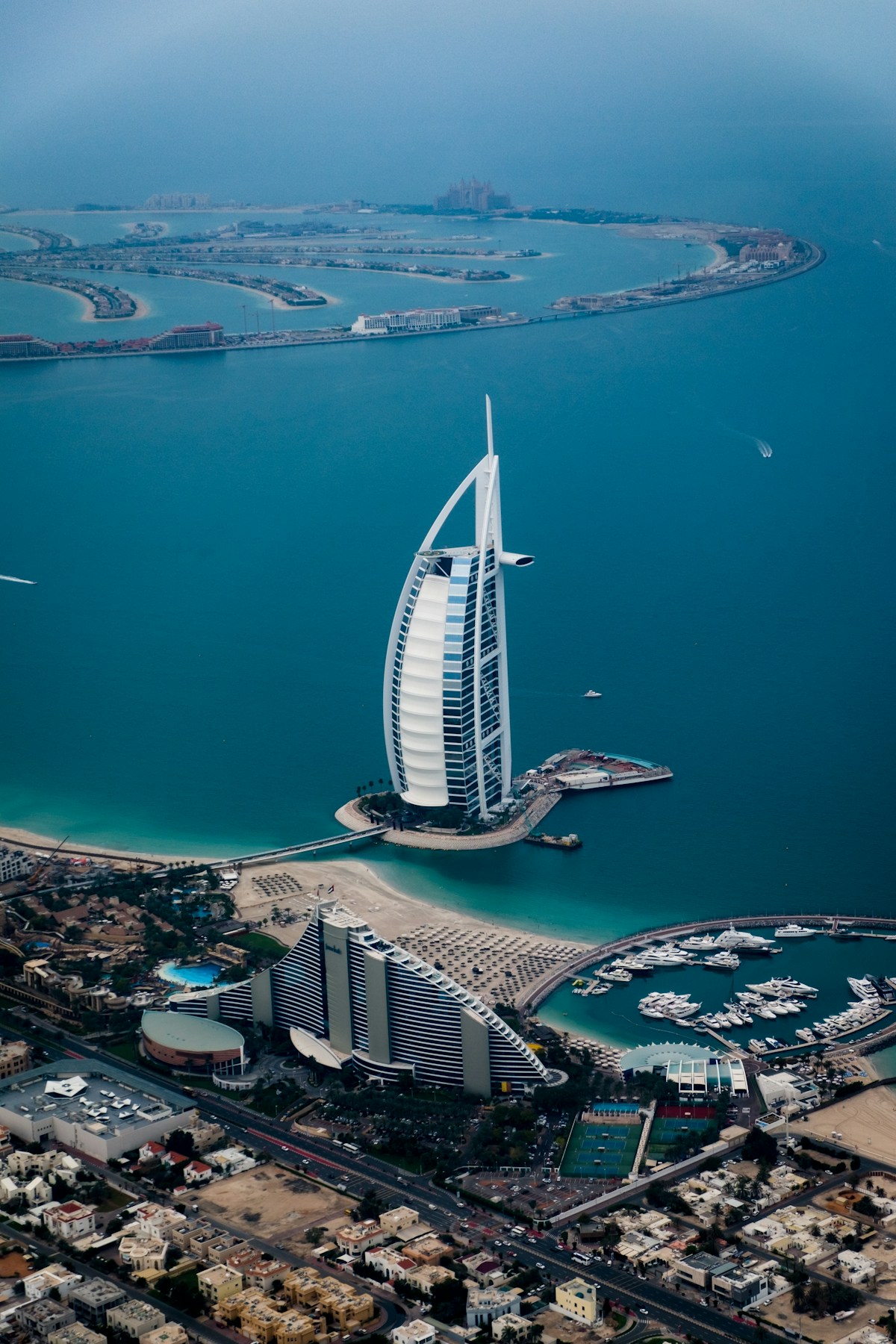
Kite Beach: Public beach with Burj Al Arab views, free access.
La Mer: Beach area with street art, shops, and relaxed atmosphere.
Dubai Fountain shows: Free every 30 minutes in the evening outside Dubai Mall.
Alserkal Avenue: Art galleries and creative spaces in Al Quoz (check event schedules).
Family-Friendly Places
Dubai Aquarium & Underwater Zoo: Inside Dubai Mall, fascinating for kids.
IMG Worlds of Adventure: Indoor theme park with Marvel and Cartoon Network zones.
Dubai Parks and Resorts: Multiple theme parks including Motiongate and Legoland.
Green Planet: Indoor rainforest with birds, animals, and plants.
Things Not To Do in Dubai
Avoid these mistakes that catch tourists off guard.
No Public Displays of Affection
Keep physical affection private. Hand-holding is usually fine, but kissing or excessive touching can result in police involvement or fines.
No Disrespectful Social Media Content
Don't post anything negative about the UAE, Islam, or local customs online. This includes jokes, sarcastic comments, or complaints that could be interpreted as disrespectful. Legal action is possible.
No Drinking in Public
Alcohol is only legal in licensed venues. Don't walk around with open containers, drink on beaches (except licensed beach clubs), or appear intoxicated in public areas.
No Eating or Drinking During Ramadan Daylight Hours
If you visit during Ramadan, respect the fast by not eating, drinking, or smoking in public during daylight. Hotels provide screened dining areas for guests.
Avoiding Scams
Use official taxis or Careem rather than unmarked vehicles. Be cautious with overly friendly strangers offering deals or help—some target tourists. Stick to reputable tour operators for desert safaris and activities.
Don't exchange money with random people on the street. Use banks, hotels, or official exchange offices.
Don't Take Photos Without Permission
Always ask before photographing people, especially women. Some areas prohibit photography entirely—respect posted signs.
Packing Tips for Dubai's Climate
What you bring affects your comfort level significantly.
Clothing
Lightweight, breathable fabrics—cotton and linen work best
Modest clothing for public areas—knee-length shorts minimum, shoulders covered in malls and restaurants
One outfit for upscale restaurants if you plan fine dining
Swimwear plus cover-ups for beach and pool
Light jacket or cardigan for over-air-conditioned indoor spaces
Footwear
Comfortable walking shoes with good support
Sandals for beach and casual wear
Avoid heavy boots—you won't need them
Sun Protection
High SPF sunscreen (50+ recommended)
Sunglasses with UV protection
Wide-brimmed hat or cap
Lip balm with SPF
Power Adapters
Dubai uses Type G plugs (UK-style three-pin). Voltage is 220V. Bring adapters if your devices use different plugs.
For Photographers and Content Creators
Extra memory cards and batteries—you'll take more photos than expected
Portable charger for phones and cameras
Lens cleaning cloth—dust and sand get everywhere
Tripod if you want long exposure shots of fountains or night scenes (check attraction policies—some don't allow tripods)
Practical Travel Tips for 2025
These details make daily life easier during your visit.
Staying Connected
Buy a local SIM card at the airport from du or Etisalat. Tourist SIM packages include data, calls, and texts starting around 50 AED for basic plans. This is more reliable than international roaming.
eSIM options are available if your phone supports them. Airalo and similar services offer data-only plans you can activate before landing.
Free WiFi is available in malls, hotels, and many restaurants, but having mobile data gives you freedom.
Safety and Emergency Numbers
Dubai is very safe. Violent crime is rare. Normal travel precautions apply—watch your belongings in crowded areas, don't leave valuables visible in cars.
Emergency numbers: 999 for police, 998 for ambulance, 997 for fire department.
Tourist police are available at major attractions if you need help or have questions.
Water Safety
Tap water is safe to drink but heavily chlorinated—most people prefer bottled water for taste. Buy large bottles from supermarkets to save money and reduce plastic waste.
Stay hydrated. The heat and air conditioning both dehydrate you faster than you realize. Carry water with you always.
Avoiding Crowds
Visit popular attractions early morning (opening time) or late afternoon. Weekdays are less crowded than weekends (Friday-Saturday in UAE).
Book tickets online in advance for major attractions—you'll skip queues and sometimes get discounts.
Saving Money on Attractions
Consider attraction passes like the Dubai Pass if you plan to visit multiple paid sites. These can save 20-40% compared to individual tickets.
Many attractions offer family tickets or group discounts. Check official websites before booking through third parties.
Free activities exist—beaches, fountain shows, walking through souks, exploring Al Fahidi. Mix paid and free activities to balance your budget.
More travel planning resources: Explore our complete travel guide library and use our itinerary planner to organize your Dubai trip efficiently.
Conclusion
Dubai offers an experience unlike anywhere else—futuristic architecture, luxury shopping, desert adventures, and cultural experiences all in one place. The city rewards travelers who do their homework. Understanding the laws, culture, and practical details means you'll spend less time worrying and more time enjoying what makes Dubai special.
Plan wisely, respect local customs, and prepare for the climate. Whether you're here for the beaches, the shopping, the food scene, or just to see what all the fuss is about, Dubai delivers if you know what to expect. Book your accommodation early for winter travel, pack appropriately, and arrive with realistic expectations about costs.

I don’t think the title of your article matches the content lol. Just kidding, mainly because I had some doubts after reading the article.
I don’t think the title of your article matches the content lol. Just kidding, mainly because I had some doubts after reading the article. https://www.binance.info/register?ref=IXBIAFVY
Can you be more specific about the content of your article? After reading it, I still have some doubts. Hope you can help me. https://www.binance.info/de-CH/register?ref=W0BCQMF1