
The Epic History of Istanbul: From Byzantium to Constantinople to Today
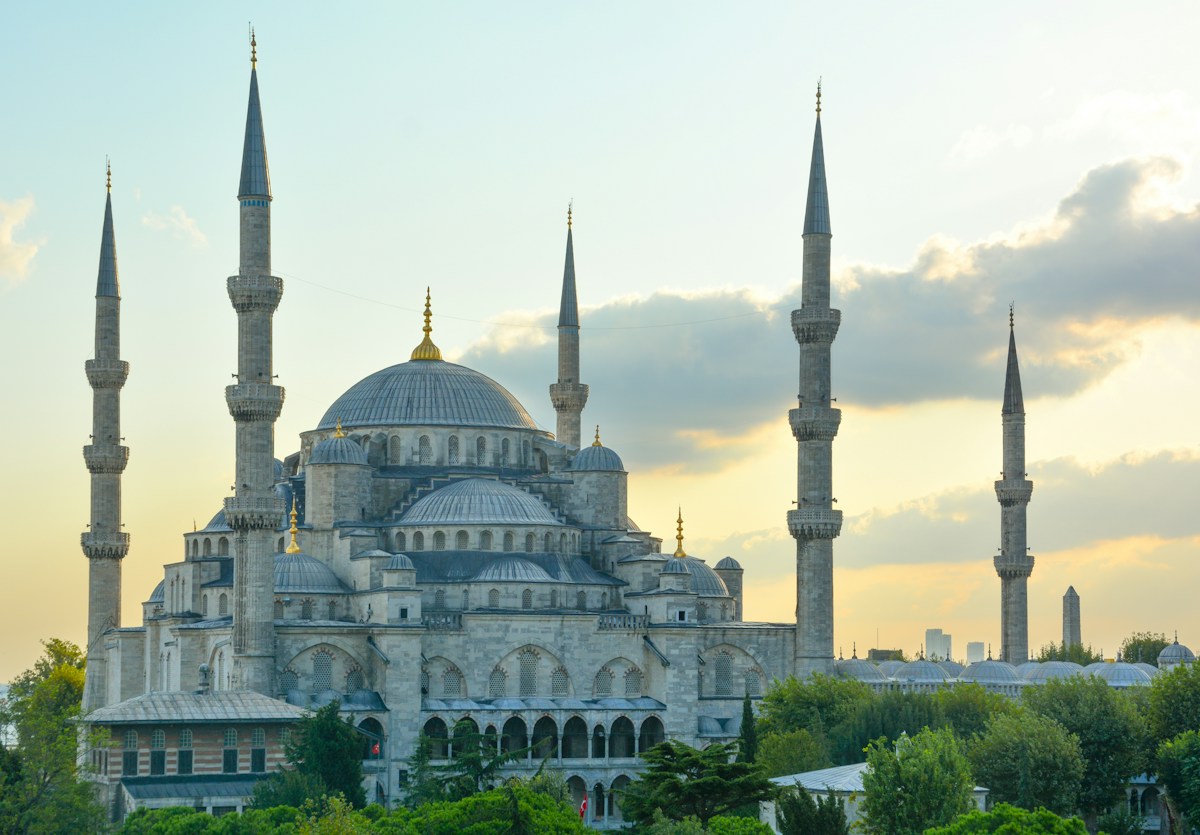
Source: Unsplash - Istanbul's iconic skyline showcasing centuries of history
Standing at the crossroads of Europe and Asia, Istanbul has witnessed empires rise and fall, religions clash and coexist, and cultures blend into something entirely unique. The history of Istanbul isn't just the story of one city – it's the narrative of human civilization itself, compressed into a narrow strait where continents meet.
For nearly 2,700 years, this extraordinary metropolis has been known by three different names, ruled by countless emperors and sultans, and served as the capital of two of the world's most powerful empires. From the ancient Greek colony of Byzantium to the Christian heart of Constantinople, and finally to the vibrant Turkish city we know today, Istanbul's journey through time reads like an adventure novel that never loses its grip.
The Birth of Byzantium: Ancient Beginnings (657 BCE - 330 CE)
Our story begins in 657 BCE when Greek colonists from Megara, led by King Byzas, established a settlement on the European side of the Bosphorus Strait. According to legend, Byzas consulted the Oracle at Delphi, who cryptically advised him to settle "opposite the blind." When he arrived at the strait, he understood immediately – anyone who had settled on the Asian side instead of this strategically superior location must have been blind indeed.
The ancient Greeks named their new colony Byzantion, which the Romans would later call Byzantium. The location was nothing short of brilliant. Protected by natural harbors, including the legendary Golden Horn, and positioned at the junction of major trade routes between the Black Sea and the Mediterranean, Byzantium quickly became wealthy through commerce and fishing.
For centuries, Byzantium maintained its independence as a prosperous Greek city-state. The city survived Persian sieges, allied with Sparta during the Peloponnesian War, and eventually fell under Roman control in 196 CE. But Emperor Septimius Severus, after initially destroying the city during a siege, recognized its strategic value and rebuilt it with impressive fortifications.
Constantine's Vision: The Birth of Constantinople (330 - 1453 CE)
Source: Unsplash - The legendary Theodosian Walls that protected Constantinople for over a millennium
Everything changed in 324 CE when Roman Emperor Constantine the Great decided to relocate the imperial capital from Rome to Byzantium. This wasn't merely an administrative move – it was a revolutionary decision that would reshape world history. On May 11, 330 CE, Constantine officially dedicated the city as "New Rome," though it quickly became known as Constantinople, the City of Constantine.
Constantine transformed the modest Greek city into a magnificent imperial capital. He constructed the Hippodrome for chariot races that could hold 100,000 spectators, erected the Church of the Holy Apostles, and adorned the city with artwork and monuments brought from across the empire. The famous Theodosian Walls, completed in 413 CE, would protect the city from invaders for over a thousand years.
But Constantine's most significant contribution was making Constantinople the center of Christianity in the Eastern Roman Empire. The city became home to magnificent churches, monasteries, and religious institutions. The Byzantine Empire, as historians now call it, developed its own unique form of Christianity that eventually became Eastern Orthodox faith, distinct from Roman Catholicism.
The Golden Age of Byzantine Constantinople
Under Emperor Justinian I (527-565 CE), Constantinople reached perhaps its greatest glory. Justinian commissioned the construction of the Hagia Sophia, one of the most spectacular buildings ever created. This architectural masterpiece, with its massive dome seeming to float on rays of light, stood as the world's largest cathedral for nearly a thousand years. When Justinian first entered the completed church, he allegedly exclaimed, "Solomon, I have surpassed you!"
The Byzantine capital became the wealthiest and most sophisticated city in the Christian world. Its population swelled to nearly 500,000 people – an enormous metropolis by medieval standards. The city's markets bustled with merchants from as far as China, India, and Scandinavia. Byzantine craftsmen created mosaics, textiles, and metalwork of unparalleled beauty. The imperial bureaucracy developed complex systems of governance, and Byzantine scholars preserved classical Greek and Roman knowledge that might otherwise have been lost.
Life in Byzantine Constantinople was a fascinating blend of Roman law, Greek culture, and Christian faith. The city featured advanced infrastructure including aqueducts, public baths, and a sophisticated system of cisterns that stored water for use during sieges. The University of Constantinople, founded in 425 CE, became a leading center of learning where students studied philosophy, law, medicine, and theology.
Surviving Against All Odds
Constantinople's history is marked by incredible resilience. The city survived Arab sieges in 674-678 and 717-718 CE, thanks largely to "Greek fire" – a mysterious incendiary weapon that could burn even on water. When invaders approached, Byzantine defenders would spray this terrifying substance from bronze tubes, turning enemy ships into floating infernos.
The Fourth Crusade of 1204 brought unexpected disaster when Western European crusaders, supposedly heading to the Holy Land, instead sacked Constantinople. For three days, these Christian soldiers looted the Christian capital, carrying off countless treasures and relics. The Latin Empire established by the crusaders lasted only 57 years, but the damage to Byzantine power was permanent.
If you're planning to explore Istanbul's Byzantine heritage, check out our travel budget calculator to estimate your trip costs and our fuel cost calculator if you're driving through Turkey.
The Fall and the Rise: Ottoman Conquest (1453)
By the early 15th century, the Byzantine Empire had shrunk to little more than Constantinople itself and a few scattered territories. The once-mighty empire was a shadow of its former glory, while the Ottoman Turks controlled the surrounding lands. Young Sultan Mehmed II, only 21 years old but burning with ambition, was determined to capture the legendary city.
The siege began on April 6, 1453, and became one of history's most dramatic military campaigns. Mehmed assembled an army of perhaps 80,000 men and brought massive cannons capable of hurling stone balls weighing over 500 pounds. The Byzantine Emperor Constantine XI Palaiologos commanded a defense force of only about 7,000 men, including Genoese and Venetian volunteers.
The Theodosian Walls had protected Constantinople for over a millennium, and initially, they held firm. But Mehmed was innovative and relentless. In one of history's most audacious military maneuvers, he had his ships dragged overland on greased wooden tracks, bypassing the chain that blocked the Golden Horn, and launching them into the harbor behind Byzantine defenses.
On May 29, 1453, after 53 days of siege, Ottoman forces finally breached the walls. Emperor Constantine XI died fighting in the streets, his body never found. Constantinople, the last remnant of the ancient Roman Empire, had fallen. Medieval Europe shuddered at the news, while the Islamic world celebrated.
Istanbul: The Ottoman Imperial Capital (1453 - 1922)
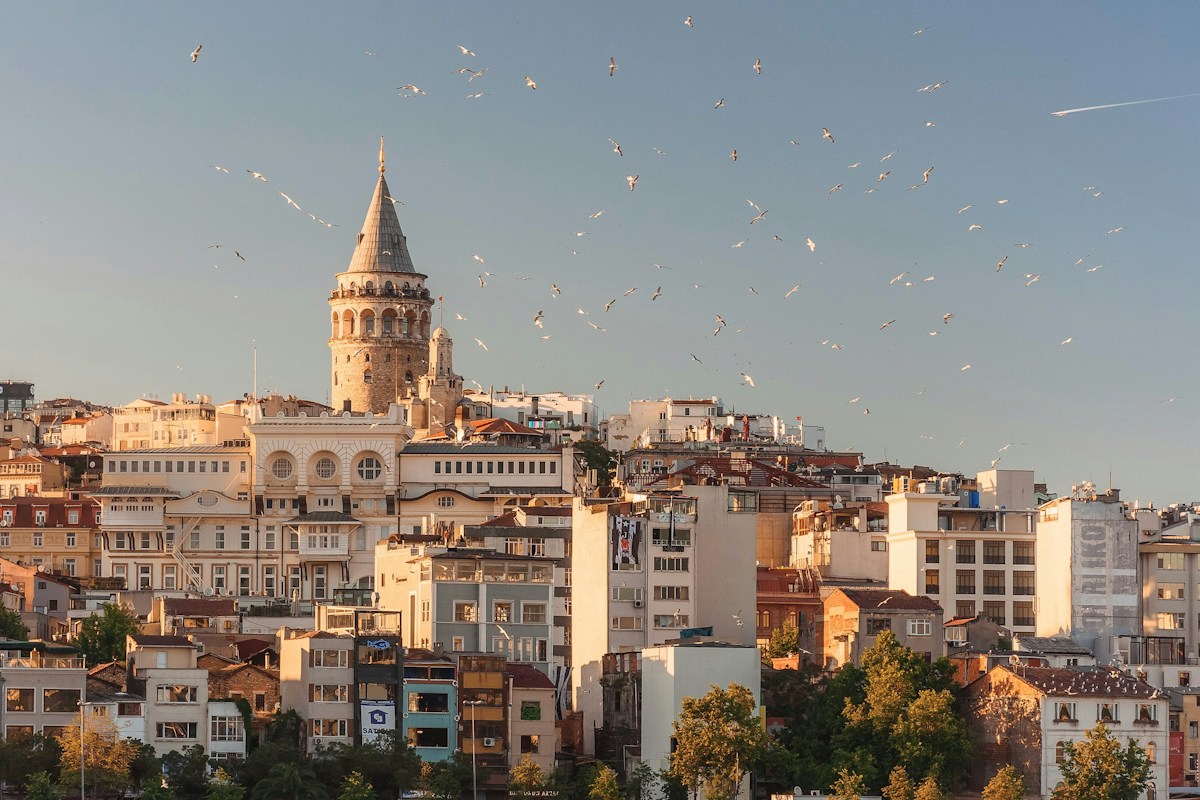
Source: Unsplash - The Sultan Ahmed Mosque (Blue Mosque), a masterpiece of Ottoman architecture
Mehmed II, now known as "Mehmed the Conqueror," immediately declared himself the new Roman Emperor and set about transforming Constantinople into the capital of his expanding empire. He renamed the city Istanbul (though "Constantinople" remained in common use for centuries), a corruption of the Greek phrase "eis tin polin," meaning "to the city."
Rather than destroying the conquered city, Mehmed embarked on an ambitious rebuilding program. He converted the Hagia Sophia into a mosque, adding minarets but preserving its magnificent architecture. He encouraged people of all religions and ethnicities to settle in Istanbul, repopulating the city that had been largely abandoned before the conquest. Greeks, Armenians, Jews (including many Spanish Jews fleeing the Inquisition), and Turks lived in their own quarters, each community maintaining its traditions while contributing to the city's cosmopolitan culture.
The Magnificent Century
Istanbul reached its Ottoman zenith during the reign of Suleiman the Magnificent (1520-1566). Under his rule, the Ottoman Empire controlled territories stretching from Budapest to Baghdad, from Algiers to the Persian Gulf. Istanbul's population exceeded 400,000, making it one of the world's largest cities.
The great architect Mimar Sinan transformed Istanbul's skyline with spectacular mosques. His masterpiece, the Süleymaniye Mosque, combined Byzantine architectural heritage with Islamic innovation, creating spaces of breathtaking beauty and acoustic perfection. The city's markets – particularly the Grand Bazaar, which is still operating today – became legendary trading centers where goods from three continents changed hands.
Ottoman Istanbul was a city of intense cultural production. Poets, calligraphers, miniature painters, and musicians found patronage at the sultan's court. The Topkapi Palace, home to the Ottoman sultans, grew into a sprawling complex of pavilions, gardens, and treasuries, housing everything from sacred Islamic relics to the fabulous Imperial Treasury.
Challenges and Transformations
The 18th and 19th centuries brought significant changes to Istanbul. As European powers grew stronger and the Ottoman Empire began its long decline, the city became a focal point of tension between tradition and modernization. Sultans attempted various reforms to strengthen their empire, often borrowing ideas from Europe.
The 19th century saw Istanbul embrace Western influences while maintaining its distinctive character. European-style neighborhoods developed along the Bosphorus, electric trams appeared on the streets, and bridges connected the city's European and Asian sides. The Orient Express began service to Istanbul in 1883, making the city more accessible to European travelers and contributing to its mystique in Western imagination.
For more detailed information about visiting historic sites in Istanbul, explore our history of places category for comprehensive guides.
Modern Istanbul: Republic and Renaissance (1922 - Present)
The Ottoman Empire's defeat in World War I brought dramatic changes. When Mustafa Kemal Atatürk established the Turkish Republic in 1923, he moved the capital to Ankara, but Istanbul remained Turkey's largest city and cultural heart.
The republican era brought modernization and secularization. The Hagia Sophia, which had been a mosque for nearly 500 years, was converted into a museum in 1935 (though it was reconverted to a mosque in 2020). Women gained rights unprecedented in the region. The city officially became known as Istanbul in 1930, finally retiring the name Constantinople.
Post-World War II Istanbul experienced explosive growth. Rural Turks migrated to the city seeking economic opportunities, and Istanbul's population soared from about one million in 1950 to over 15 million today. The city sprawled across both continents, with new bridges spanning the Bosphorus connecting Europe and Asia.
Contemporary Istanbul
Today's Istanbul is a fascinating paradox – simultaneously ancient and modern, Eastern and Western, conservative and progressive. The city's skyline combines Ottoman minarets, Byzantine domes, and gleaming skyscrapers. In the morning, you might hear the call to prayer echoing across neighborhoods where young professionals sip coffee in trendy cafes.
The city has become a major economic hub, hosting international corporations, financial institutions, and a thriving creative industry. Istanbul's fashion designers, filmmakers, and musicians are gaining international recognition. The city's restaurant scene has evolved from traditional kebab houses to world-class fine dining, while still maintaining its beloved street food culture.
Istanbul's historical areas, particularly the Old City (Sultanahmet), attract millions of tourists annually. The city has invested heavily in preserving its heritage while improving infrastructure. New metro lines connect distant neighborhoods, the Marmaray tunnel provides the first rail link between Europe and Asia beneath the Bosphorus, and the new Istanbul Airport is one of the world's largest.
Yet challenges remain. The city grapples with traffic congestion, earthquake preparedness (Istanbul sits on major fault lines), and the tension between development and historic preservation. Political debates about Turkey's future often play out most dramatically in Istanbul's streets and squares.
Living History: What Makes Istanbul Unique
What truly sets Istanbul apart is how layers of history remain visible and alive in daily life. You can have breakfast in a café occupying a 500-year-old caravanserai, shop for produce in markets established in Byzantine times, and then take a ferry across the strait where Persian, Greek, Roman, Byzantine, and Ottoman navies once sailed.
The city's museums hold treasures spanning millennia. The Istanbul Archaeology Museum houses artifacts from virtually every civilization that touched Anatolia. The Museum of Turkish and Islamic Arts displays Seljuk and Ottoman masterpieces. The Basilica Cistern, an underground water reservoir from Byzantine times, has become one of the city's most atmospheric attractions.
Istanbul's neighborhoods each tell their own story. Balat and Fener, historically Greek and Jewish quarters, feature colorful houses climbing steep hills. Beyoğlu, the 19th-century European district, centers on the famous Istiklal Avenue, a pedestrian street that never sleeps. Üsküdar, on the Asian side, offers a more traditional atmosphere with its Ottoman mosques and tea gardens overlooking the Bosphorus.
The city's culinary heritage reflects its multicultural past. Turkish, Greek, Armenian, Jewish, and Middle Eastern influences blend in dishes like meze platters, fish sandwiches eaten by the waterfront, simit (sesame bread rings), and countless varieties of kebabs. The Turkish breakfast spread, with its olives, cheeses, jams, and menemen (scrambled eggs with tomatoes and peppers), is a meal that can last hours.
For comprehensive travel planning resources, including accommodation recommendations and transportation guides, visit Travioz.
Why Istanbul's History Matters Today
Understanding the history of Istanbul offers more than just interesting stories – it provides insights into how civilizations interact, adapt, and evolve. This city has been a crucible where East meets West, where different religions have both clashed and coexisted, where empires have risen to glory and fallen into dust.
Istanbul demonstrates that cities can survive catastrophic changes and reinvent themselves while maintaining their essential character. The same strategic advantages that attracted Byzas in 657 BCE – the magnificent natural harbor, the control of vital sea routes, the bridge between continents – remain relevant in the 21st century.
The city also challenges simple narratives about conflict between civilizations. While Istanbul has certainly witnessed violence and conquest, it has also been a place where different communities lived side by side for centuries, where Byzantine mosaics were preserved under Ottoman rule, where ancient Greek texts were copied by Byzantine monks and later translated by Ottoman scholars.
For travelers interested in experiencing this living history firsthand, exploring Istanbul requires time and curiosity. The city rewards those who venture beyond the main tourist sites to discover neighborhood tea gardens, family-run restaurants, and small museums. Each visit can reveal new layers, new stories, new connections to the past.
Frequently Asked Questions
Why did Constantinople change its name to Istanbul?
The name change was gradual rather than sudden. After the Ottoman conquest in 1453, locals increasingly used "Istanbul," derived from the Greek phrase "eis tin polin" (meaning "to the city"). The name was officially adopted by the Turkish Republic in 1930. Interestingly, foreigners continued calling it Constantinople for centuries after locals had switched to Istanbul.
What are the must-visit historical sites in Istanbul?
The essential historical sites include the Hagia Sophia (showcasing both Byzantine and Ottoman heritage), the Blue Mosque, Topkapi Palace (the Ottoman sultans' residence for 400 years), the Basilica Cistern (a stunning underground Byzantine water reservoir), and the Grand Bazaar (one of the world's oldest covered markets). The ancient city walls and the Hippodrome site are also worth exploring. Allow at least 3-4 days to properly experience these landmarks.
How long was Constantinople the capital of the Byzantine Empire?
Constantinople served as the Byzantine (Eastern Roman) Empire's capital for approximately 1,123 years, from its dedication in 330 CE until the Ottoman conquest in 1453. This makes it one of the longest-serving capitals in world history. Throughout this period, it was considered the most important city in the Christian world and a center of art, culture, and learning.
Is Istanbul in Europe or Asia?
Istanbul is unique in that it spans both continents. The Bosphorus Strait divides the city, with approximately two-thirds on the European side and one-third on the Asian side. Three suspension bridges and an undersea tunnel connect the two parts. This geographical position has been central to Istanbul's historical importance as a bridge between East and West for nearly three millennia.
What happened to the Hagia Sophia after the Ottoman conquest?
After conquering Constantinople in 1453, Sultan Mehmed II converted the Hagia Sophia from a Christian cathedral into a mosque. The Ottomans preserved the building's magnificent Byzantine architecture while adding Islamic features like minarets and covering (but not destroying) Christian mosaics. In 1935, Turkish leader Atatürk converted it into a museum. In 2020, it was reconverted to a functioning mosque, though it remains open to visitors of all faiths.
How has Istanbul's population changed throughout history?
Istanbul's population has fluctuated dramatically. Ancient Byzantium was relatively small, perhaps 30,000-50,000 residents. Byzantine Constantinople peaked at around 500,000 in the 6th century, declined during later Byzantine periods, and had dropped to about 50,000 by the 1453 conquest. Under Ottoman rule, it grew to 400,000-700,000. The modern explosion began post-1950, jumping from 1 million to over 15 million today, making it one of the world's largest metropolitan areas.
What languages were spoken in historical Istanbul?
Historical Istanbul was remarkably multilingual. Ancient Byzantium spoke Greek. Byzantine Constantinople used Greek as its primary language, though Latin was used in administration early on. Ottoman Istanbul was a true polyglot city where Turkish, Greek, Armenian, Ladino (Judeo-Spanish), Arabic, and later French were all commonly heard. This linguistic diversity reflected the city's cosmopolitan character and its role as a crossroads of civilizations.
When is the best time to visit Istanbul for history enthusiasts?
Spring (April-May) and fall (September-October) offer the best combination of pleasant weather and manageable crowds at historical sites. These shoulder seasons allow comfortable walking through outdoor archaeological areas and ancient streets without the summer heat or winter rain. Additionally, you'll find it easier to appreciate the details of sites like the Hagia Sophia mosaics and Topkapi Palace without fighting through peak tourist crowds. Museums are open year-round, making winter visits viable if you don't mind cooler weather.
Related Resources:
• Encyclopedia Britannica: Istanbul
• UNESCO World Heritage: Historic Areas of Istanbul
• Lonely Planet Istanbul Travel Guide
• Travioz Travel Planning Resources

Can you be more specific about the content of your article? After reading it, I still have some doubts. Hope you can help me. https://www.binance.com/pt-BR/register?ref=GJY4VW8W
Your article helped me a lot, is there any more related content? Thanks! https://accounts.binance.info/lv/register?ref=SMUBFN5I
Your point of view caught my eye and was very interesting. Thanks. I have a question for you.
Your point of view caught my eye and was very interesting. Thanks. I have a question for you.
Your article helped me a lot, is there any more related content? Thanks!