Safari Adventures: Discover Incredible Wildlife Across the Globe

Introduction: The Call of the Wild
There's something primal about safari adventures that awakens the explorer within us all. The distant roar of a lion at dawn, the thundering hooves of wildebeest during the Great Migration, the quiet rustle of leaves as a leopard stalks its prey. These aren't scenes from a documentary; they're real experiences waiting for you on safari adventures across the globe.
Whether you dream of witnessing Africa's Big Five in their natural habitat, tracking Bengal tigers through Indian forests, or observing orangutans swinging through Borneo's rainforests, safari adventures offer unparalleled opportunities to connect with nature's most magnificent creatures.
After years of exploring wildlife destinations and consulting with safari experts, conservation guides, and wildlife photographers, I'm sharing everything you need to know to plan your perfect safari adventure. From choosing the right destination to understanding the best seasons for wildlife viewing, this comprehensive guide will help you create memories that last a lifetime.
Quick Insight: Safari adventures aren't just vacations; they're transformative experiences that connect you with nature's raw beauty while contributing to critical wildlife conservation efforts. The key is choosing the right destination, timing your visit properly, and working with ethical operators who prioritize both wildlife welfare and authentic experiences.
Understanding Safari Adventures: More Than Just Wildlife Viewing
When most people think of safari adventures, they picture jeeps bouncing across African savannas in search of lions and elephants. While that's certainly part of the experience, modern safari adventures encompass so much more.
Today's safari experiences range from traditional game drives to walking safaris, boat safaris through waterways, hot air balloon rides over vast plains, and even underwater encounters in certain locations.
What Makes Safari Adventures Special
Unlike zoo visits or wildlife parks, safari adventures place you in the animals' world rather than bringing animals into yours. You're observing natural behaviors, witnessing predator-prey interactions, and experiencing ecosystems functioning as they have for millions of years.
According to National Geographic, responsible safari tourism plays a crucial role in wildlife conservation by providing economic incentives for habitat protection and anti-poaching efforts.
The revenue from safari adventures directly funds conservation programs, supports local communities, and creates jobs that depend on wildlife preservation rather than exploitation.
Types of Safari Experiences
Safari adventures come in various formats to suit different interests, fitness levels, and budgets. Game drives remain the most popular option, using specially modified vehicles to traverse parks during early morning and late afternoon when animals are most active.
Walking safaris offer intimate encounters with smaller wildlife and teach you to read animal tracks and signs. These require reasonable fitness levels and always include armed guides for safety.
Boat safaris provide unique perspectives in water-rich environments like Botswana's Okavango Delta or Zambia's Chobe River. You'll see hippos, crocodiles, and countless bird species while elephants and other animals come to drink at the water's edge.
Hot air balloon safaris deliver breathtaking aerial views of vast landscapes and wildlife migrations, typically followed by champagne breakfasts in the bush. Night drives reveal nocturnal species rarely seen during daytime game drives, including leopards, hyenas, and various owl species.
Pro Tip: Consider combining different safari styles during your trip. A typical week might include regular game drives, one walking safari, and a special experience like a hot air balloon ride or night drive for varied perspectives on wildlife and ecosystems.
Top Safari Destinations Around the World
While Africa dominates safari adventures, incredible wildlife experiences exist across multiple continents. Each destination offers unique species, landscapes, and cultural experiences.
African Safari Adventures: The Ultimate Wildlife Experience
Africa remains the gold standard for safari adventures, offering unmatched wildlife diversity and density. Tanzania's Serengeti National Park hosts the annual wildebeest migration, one of nature's most spectacular events involving over two million animals.
The Serengeti ecosystem also supports healthy populations of lions, leopards, cheetahs, elephants, and hundreds of bird species.

Kenya's Maasai Mara provides front-row seats to the same migration from July through October, with slightly easier access than the Serengeti and excellent lodge options. South Africa's Kruger National Park offers exceptional game viewing with well-maintained roads, diverse ecosystems, and options ranging from budget camps to ultra-luxury lodges.
For more details on African destinations, explore Travioz's destination guides.
Botswana's Okavango Delta presents a unique water-based safari experience where floodwaters create a wetland oasis in the Kalahari Desert. Traditional mokoro canoe trips combined with game drives create unforgettable safari adventures.
Namibia offers dramatic desert landscapes with specially adapted wildlife including desert elephants, lions, and unique bird species.
Rwanda and Uganda have revolutionized primate tourism with mountain gorilla trekking experiences. While expensive, coming face-to-face with these gentle giants in their misty mountain habitat ranks among the world's most profound wildlife encounters.
Asian Wildlife Safari Adventures
Asia's safari adventures showcase entirely different species and ecosystems. India's national parks, particularly Ranthambore, Bandhavgarh, and Kanha, offer the best opportunities for spotting wild Bengal tigers.
Indian safaris combine wildlife viewing with rich cultural experiences and historical sites.
Sri Lanka's compact size allows visitors to experience diverse ecosystems quickly. Yala National Park boasts the world's highest leopard density, while Udawalawe National Park offers reliable elephant sightings. The island also provides excellent whale watching opportunities off the southern coast.
Borneo's rainforests harbor orangutans, pygmy elephants, proboscis monkeys, and rare wildlife found nowhere else on Earth. Conservation centers offer opportunities to observe rehabilitation efforts while wild encounters happen deep in protected forests.
According to the World Wildlife Fund, Borneo's biodiversity makes it one of the planet's most important conservation priorities.
Emerging Safari Destinations
Beyond traditional locations, several emerging destinations offer exceptional safari adventures with fewer crowds. Zambia's South Luangwa National Park pioneered walking safaris and maintains a wild, authentic atmosphere with limited tourist development.
Brazil's Pantanal wetlands deliver the highest wildlife viewing density in South America. Jaguars, giant river otters, capybaras, caimans, and hundreds of bird species thrive in this massive floodplain. Wildlife photography opportunities here rival anything Africa offers.
Costa Rica provides excellent jungle safaris focusing on biodiversity rather than mega-fauna. Visitors encounter sloths, monkeys, toucans, macaws, and if lucky, the elusive jaguar or tapir.
For adventure seekers, check out Travioz's travel blog for unique wildlife destinations.
Planning Your Perfect Safari Adventure
Successful safari adventures require careful planning. Understanding when to go, what to pack, and how to choose the right experience makes the difference between good trips and extraordinary ones.
Best Time for Safari Adventures: Understanding Seasons
Timing dramatically impacts your wildlife viewing success. The dry season typically offers the best game viewing as animals congregate around limited water sources and sparse vegetation makes spotting easier.
In East Africa, June through October provides optimal conditions with the Great Migration peak occurring July through September. November brings short rains, while March through May sees heavier rainfall and lush landscapes with fewer tourists and lower prices.
Southern Africa's seasons are reversed. May through September offers dry winter conditions with excellent wildlife viewing, cool mornings requiring layers, and peak tourist season pricing. October and November see temperatures rising before rains begin.
For India's tiger safaris, October through June provides the best viewing, with April and May offering the highest temperatures but best tiger sightings as animals seek water. Parks typically close during monsoon season from July through September.
Important Consideration: Shoulder seasons offer the best value with fewer crowds, lower prices, and still good wildlife viewing. However, some lodges close during low season, so verify availability.
Essential Packing Guide for Safari Adventures
Proper packing ensures comfort and preparedness without overpacking. Most safari lodges offer laundry services, so you can pack light and wear items multiple times.
Clothing should include neutral colors like khaki, olive, and brown that don't disturb wildlife or attract insects. Avoid bright colors, white, and especially camouflage patterns. Pack lightweight long-sleeved shirts and pants for sun protection and insect prevention, a warm fleece or jacket for early morning game drives, comfortable closed-toe walking shoes, and a hat with chin strap for windy vehicle rides.
Essential gear includes quality binoculars, a reliable camera with telephoto lens for wildlife photography, extra memory cards and batteries, a headlamp or flashlight with red light option, sunscreen with high SPF, insect repellent with DEET for malaria zones, and a reusable water bottle.
For comprehensive packing advice, visit Travioz's travel guides.
Choosing Your Safari Style: Budget to Luxury
Safari adventures accommodate every budget level, though experiences vary significantly by price point. Budget camping safaris start around $150-250 per day and involve camping in designated sites, basic facilities, and larger group sizes. These adventures prioritize wildlife viewing over comfort.
Mid-range safari lodges offer comfortable accommodations, good food, smaller groups, and knowledgeable guides. This category provides excellent value for most travelers seeking authentic experiences without luxury price tags.
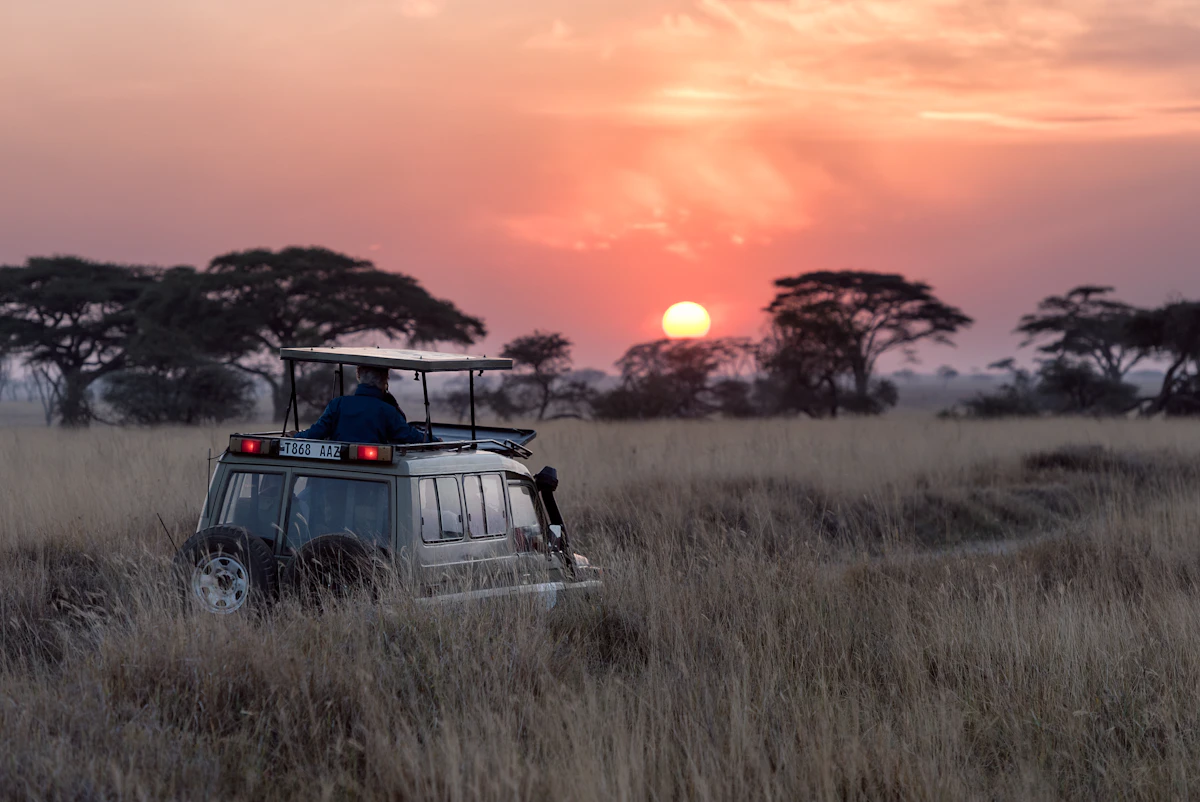
Luxury safari experiences feature boutique lodges or tented camps, gourmet cuisine, private game drives, personal guides, spa services, and exclusive concessions. These safaris deliver exceptional service and intimate wildlife encounters.
Self-drive safaris appeal to independent travelers in countries like South Africa and Namibia with good infrastructure. You rent a vehicle, book accommodations independently, and explore at your own pace. This option requires research and planning but offers maximum flexibility and cost savings.
Wildlife Photography Tips for Safari Adventures
Capturing stunning images during safari adventures requires both technical skill and understanding of animal behavior. The difference between amateur snapshots and compelling wildlife photography often comes down to preparation and patience.
Essential Camera Gear
While you don't need professional equipment to capture great safari photos, certain gear significantly improves results. A camera with fast autofocus and good low-light performance handles dawn and dusk shooting when wildlife is most active.
A telephoto lens allows safe distance while capturing intimate portraits. A second camera body with a mid-range zoom captures landscapes and camp life. Extra batteries and memory cards are essential as charging opportunities may be limited.
According to Safari Bookings, successful wildlife photography requires understanding both technical settings and animal behavior to anticipate moments before they happen.
Technical Settings for Wildlife Photography
Use continuous autofocus mode to track moving subjects. Set your camera to burst mode for capturing action sequences like cheetahs running or birds taking flight. Adjust ISO based on light conditions, accepting higher noise levels for sharp images in low light.
Start with shutter speed priority mode using at least 1/1000 second for moving animals, faster for running subjects. Focus on the animal's eyes, as sharp eye focus creates engaging portraits even if other areas aren't perfectly sharp.
Composition and Storytelling
Great wildlife photos tell stories beyond simple animal portraits. Capture behavior like hunting, playing, or nurturing young. Include environmental context showing animals in their habitats rather than just tight portraits. Wait for golden hour light during early morning and late afternoon for warm, dramatic lighting.
Look for interesting backgrounds that don't distract from your subject. Shoot from the animal's eye level when possible rather than looking down from the vehicle. This creates more intimate, engaging images.
Photography Ethics: Never ask guides to disturb wildlife for photos. Maintain proper distances, avoid using flash around animals, and prioritize animal welfare over getting the shot. Ethical wildlife photography enhances conservation rather than disrupting it.
Safari Safety and Wildlife Conservation
Responsible safari adventures prioritize both visitor safety and wildlife protection. Understanding proper behavior ensures enjoyable experiences while supporting conservation efforts.
Essential Safety Guidelines
Wildlife safety isn't complicated, but it requires constant attention and respect for animals' unpredictable nature. Always follow your guide's instructions without exception. Guides have years of experience reading animal behavior and know when situations become dangerous.
Never leave your vehicle during game drives unless your guide explicitly permits it in designated safe areas. Even herbivores like elephants and hippos kill more people than predators. Maintain absolute silence and minimize movement when near animals to avoid startling them.
Keep all body parts inside the vehicle at all times. Animals sometimes view protruding limbs as threats or prey. Store food and scented items securely, as some animals have learned to associate vehicles with food. Never feed wildlife, which disrupts natural behaviors and creates dangerous habituation.
Contributing to Wildlife Conservation
Your safari adventure can directly support conservation when you choose responsibly. Select operators committed to sustainable tourism practices, fair wages for local staff, and wildlife protection. Many lodges contribute portions of fees to conservation organizations and community development.
Respect park rules and regulations designed to protect both wildlife and habitats. Stay on designated roads and trails. Maintain proper viewing distances. Follow photography ethics. Report poaching or illegal activities to park authorities.
Consider visiting community-run conservancies where tourism revenue directly benefits local populations. This model creates economic incentives for wildlife protection rather than competition with conservation.
Learn more about responsible travel at Travioz.
Health Precautions for Safari Adventures
Proper health preparation ensures your safari adventure isn't derailed by preventable illnesses. Consult travel medicine specialists at least 8 weeks before departure to allow time for vaccinations. Common recommended vaccines include hepatitis A and B, typhoid, yellow fever, and routine boosters.
Malaria prevention is crucial for many safari destinations. Options include prophylactic medications, insect repellent with DEET, long sleeves and pants during dawn and dusk, and sleeping under mosquito nets. Different medications work better in different regions, so get personalized advice.
Purchase comprehensive travel insurance covering medical emergencies and evacuations. Safari destinations often have limited medical facilities, so serious issues may require evacuation to major cities or neighboring countries. Stay hydrated in hot climates by drinking bottled water regularly throughout the day.
Combining Safari Adventures with Cultural Experiences
The most memorable safari adventures integrate wildlife viewing with authentic cultural encounters. This holistic approach creates richer understanding of how people and wildlife coexist and have shaped each other for millennia.
Cultural Tourism in Safari Destinations
Many safari regions offer opportunities to visit local communities and learn about traditional lifestyles. Kenya and Tanzania's Maasai villages welcome visitors to experience traditional dances, learn about cattle herding practices, and understand their role in conservation.
Look for authentic, community-run cultural programs rather than staged cultural shows that reduce traditions to entertainment.
Historical sites often complement safari adventures. Tanzania's Stone Town in Zanzibar offers fascinating history before or after Serengeti safaris. Zimbabwe's Great Zimbabwe ruins provide context for the region's ancient civilizations. South Africa combines safaris with Cape Town's cultural attractions and wine regions.
Many safari operators now incorporate visits to conservation projects, allowing guests to meet researchers, learn about wildlife protection challenges, and see rehabilitation centers. These experiences provide deeper appreciation for conservation complexity beyond simple wildlife viewing.
Discover travel opportunities at Travioz's destination page.
Budget Planning for Safari Adventures
Safari adventures span enormous price ranges, from budget camping experiences to ultra-luxury lodges. Understanding cost factors helps you maximize value while meeting your comfort and experience preferences.
Breaking Down Safari Costs
Safari pricing typically includes accommodation, meals, game drives, park fees, and guide services. Accommodations represent the largest cost variable. Budget camping safaris might cost $150-250 per day, mid-range lodges $300-600 daily, and luxury options $800-2000+ per person per day.
International flights to gateway cities like Nairobi, Johannesburg, or Mumbai are separate expenses. Domestic flights or transfers to safari destinations add another $100-500 depending on distance and whether you use scheduled or charter flights.
Additional costs include tips for guides and staff, optional activities like hot air balloon rides, alcoholic beverages at most lodges, travel insurance, visa fees, and vaccinations and malaria medication.
Strategies for Affordable Safari Adventures
Budget-conscious travelers can enjoy incredible safari adventures through smart planning. Travel during shoulder seasons when prices drop 20-40% but wildlife viewing remains excellent. Group tours cost less per person than private safaris, though you sacrifice flexibility.
Consider less famous parks that offer similar wildlife at lower costs with fewer crowds. Self-drive safaris in countries like South Africa significantly reduce costs if you're comfortable planning independently.
For budget travel strategies, visit Travioz's blog.
Money-Saving Tip: Booking longer safaris often reduces daily rates. Combining different accommodation types, like 3 nights budget camping followed by 2 nights at a nice lodge, balances experience and cost. Many operators offer discounts for advance bookings or last-minute deals if you're flexible.
Frequently Asked Questions About Safari Adventures
What is the best time of year for safari adventures?
The dry season typically offers the best wildlife viewing as animals congregate around water sources. In East Africa, June through October provides optimal conditions for safari adventures. Southern Africa's dry winter months from May to September offer excellent visibility and comfortable temperatures. However, shoulder seasons can provide great value with fewer crowds and still good wildlife sightings.
How much does a typical safari adventure cost?
Safari costs vary widely based on destination, accommodation, and season. Budget camping safaris start around $150-250 per day, mid-range lodges cost $300-600 per day, and luxury safari experiences range from $800-2000+ per day. These prices typically include accommodations, meals, game drives, and park fees. International flights, visas, and optional activities cost extra.
What should I pack for safari adventures?
Essential items include neutral-colored clothing, quality binoculars for wildlife viewing, a camera with telephoto lens for wildlife photography, sun protection including hats and high-SPF sunscreen, insect repellent for malaria-prone areas, appropriate footwear for walking safaris, warm layers for early morning game drives, and a flashlight for early departures. Most lodges offer laundry services, so pack light.
Are safari adventures safe?
Safari adventures are generally very safe when you follow guidelines and choose reputable operators. Always listen to your guide's instructions, maintain safe distances from animals, never leave your vehicle during game drives unless permitted, and choose operators with experienced guides and proper safety protocols. Most injuries occur from not following safety rules rather than from animal attacks.
Can I take safari adventures with children?
Yes, many safari destinations welcome families with children. Some lodges have age restrictions, while others offer family-friendly accommodations and specialized children's programs. Choose destinations with shorter game drives, child-appropriate activities, and lodges experienced with families. Private safaris work better for families than group tours.
Do I need special vaccinations for safari adventures?
Required vaccinations depend on your destination. Commonly recommended vaccines include hepatitis A and B, typhoid, and routine boosters. Yellow fever vaccination is required for entry to some African countries. Malaria prophylaxis is essential for many safari regions. Consult travel medicine specialists at least 8 weeks before departure to allow time for necessary vaccinations and to discuss malaria prevention options.
Conclusion: Your Safari Adventure Awaits
Safari adventures represent more than vacations; they're journeys into wild places where nature still reigns supreme. Whether you choose classic African game drives, Asian tiger tracking, or South American jungle exploration, the experience will change how you see the natural world and humanity's place within it.
The most important step is simply beginning. Research destinations that match your interests and budget. Decide whether you want classic savanna safaris or rainforest adventures. Determine your preferred comfort level and choose operators accordingly.
Start planning early, especially for peak season travel or destinations with limited permits like gorilla trekking. Set up price alerts for flights to gateway cities. Read recent trip reports from travelers with similar interests and priorities.
Remember that perfect safaris don't exist. Weather changes plans. Animals don't appear on cue. Vehicles break down. But these imperfections often create the most memorable stories and unexpected adventures. Flexibility, patience, and positive attitudes transform challenges into character-building experiences.
Your safari adventure will contribute to conservation efforts protecting these incredible ecosystems and species. By choosing responsible operators, respecting wildlife and local cultures, and sharing your experiences afterward, you become an advocate for wild places and the creatures that inhabit them.
The wilderness is calling. Incredible wildlife waits across the globe. Your safari adventure could start sooner than you think. The only question remaining is: where will your journey take you first?