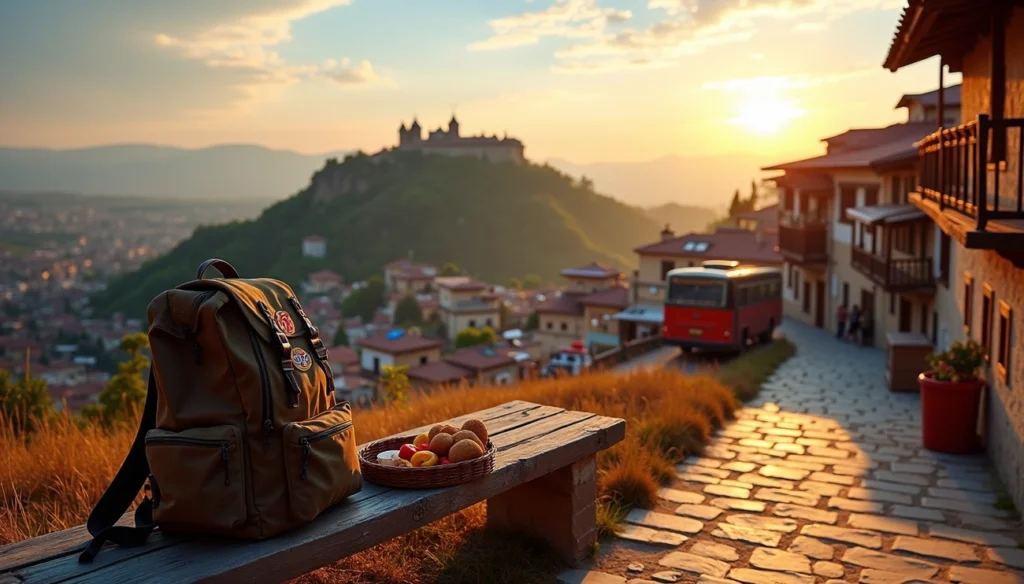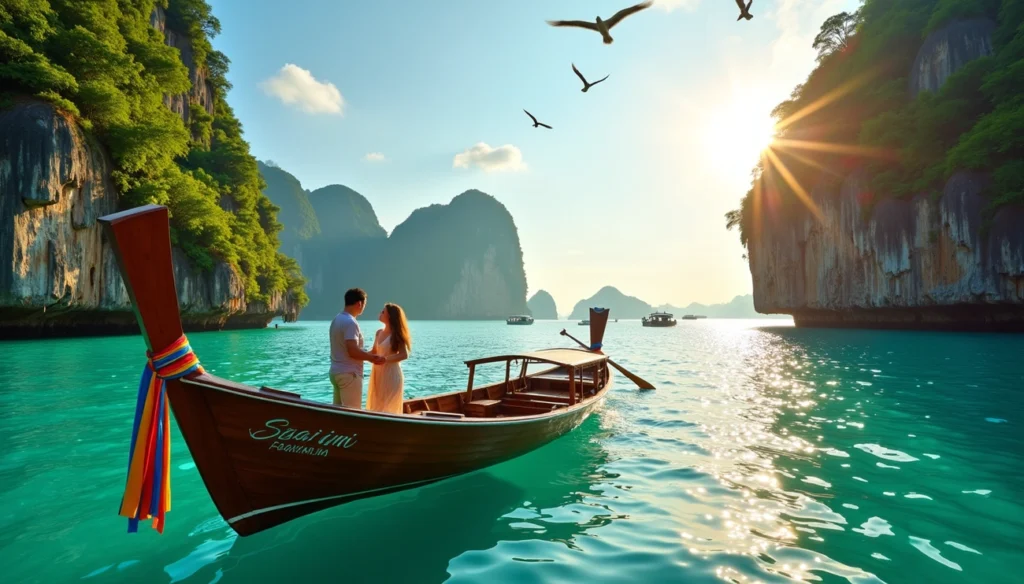
Best Mediterranean Islands for Your Dream Vacation

Introduction: Paradise Awaits in the Mediterranean
The Mediterranean Sea cradles some of the world's most captivating islands where azure waters meet ancient civilizations, pristine beaches border medieval villages, and every sunset paints the sky in breathtaking colors. The best Mediterranean islands offer more than just beautiful coastlines, they provide immersive cultural experiences, world-class cuisine, and landscapes that range from volcanic cliffs to pine-covered mountains. Whether you seek romantic getaways, family adventures, or solo exploration, these islands deliver unforgettable experiences.
Stretching from Spain's Balearic Islands in the west to Cyprus in the east, the Mediterranean encompasses diverse destinations that share common characteristics including exceptional weather, warm hospitality, and rich historical heritage. Each island group possesses its own distinct character shaped by centuries of different rulers, trading empires, and cultural influences. The best Mediterranean islands blend natural beauty with architectural treasures, creating destinations where you can explore ancient ruins in the morning and relax on golden beaches by afternoon.
This comprehensive guide explores the top Mediterranean islands that consistently captivate travelers with their unique combination of scenery, culture, and activities. From the iconic whitewashed villages of the Greek Cyclades to the rugged coastlines of Sardinia, from the vibrant nightlife of Ibiza to the tranquil coves of Croatia's Dalmatian islands, you'll discover which destinations match your travel style and interests.
Planning Tip: The best time to visit most Mediterranean islands is during shoulder seasons in May-June or September-October when weather remains excellent, crowds thin out, and accommodation prices drop significantly compared to peak summer months.
Santorini, Greece: The Crown Jewel of the Cyclades
Santorini captures imaginations like no other Mediterranean island with its dramatic caldera views, whitewashed buildings crowned with blue-domed churches, and sunsets that attract viewers from around the globe. This volcanic island in the Cyclades represents the quintessential Greek island experience, where stunning natural beauty combines with rich history and world-class hospitality. Among the best Mediterranean islands, Santorini stands out for its unique geological formation and breathtaking vistas.
The island's capital, Fira, and the village of Oia cling to cliffside perches overlooking the submerged volcanic crater. Walking the narrow paths between these villages provides constantly changing perspectives of the caldera's deep blue waters contrasting with colorful volcanic rock layers. Ancient Akrotiri, a Minoan settlement preserved by volcanic ash similar to Pompeii, offers fascinating glimpses into Bronze Age civilization.
Beyond the famous views, Santorini produces exceptional wines from vines grown in volcanic soil. The unique cultivation method creates low-lying basket-shaped vines that produce distinctive assyrtiko and other varietals. According to Lonely Planet's Santorini guide, wine tours and tastings rank among the island's most rewarding experiences, revealing agricultural traditions adapted to volcanic conditions.
Best Season: April-May and September-October offer ideal weather with fewer crowds. Summer brings peak tourism and highest temperatures. Winter provides solitude and lower prices but some businesses close.
Travel Tip: Book accommodation in Oia for sunset views or Fira for central location and nightlife. Rent an ATV or car to explore black sand beaches, traditional villages, and archaeological sites beyond the main tourist areas. Reserve restaurants and sunset viewing spots well in advance during summer months.
Sicily, Italy: Where History Meets Natural Splendor
Sicily delivers massive variety as the Mediterranean's largest island, combining Greek temples, Norman cathedrals, baroque towns, active volcanoes, and diverse coastlines into one spectacular destination. This Italian region offers experiences ranging from climbing Mount Etna to exploring ancient Valley of the Temples, from tasting world-class street food in Palermo to relaxing on the Aeolian Islands. Sicily ranks among the best Mediterranean islands for travelers seeking cultural depth alongside natural beauty.
The island's strategic position attracted countless civilizations who left architectural and culinary legacies still visible today. Greek temples at Agrigento rival those in Greece itself, while Palermo's Arab-Norman architecture earned UNESCO World Heritage status. The capital city buzzes with energy in historic markets where vendors sell fresh seafood, colorful produce, and famous street foods like arancini and panelle.

Mount Etna, Europe's most active volcano, dominates eastern Sicily with opportunities for hiking, wine tasting in volcanic vineyards, and winter skiing. The diverse landscapes include everything from sandy southern beaches to rocky northern coastlines, from the baroque towns of the southeast to the resort atmosphere of Taormina with its stunning Greek theater overlooking the sea.
Best Season: Spring and autumn provide comfortable temperatures for sightseeing and outdoor activities. Summer offers best beach weather but can be very hot inland. Winter remains mild in coastal areas with opportunities for Etna skiing.
Travel Tip: Sicily requires more time than smaller islands due to its size and diversity. Allocate at least one week, preferably two, to explore major regions. Rent a car for flexibility reaching remote beaches and hill towns. Don't miss the seafood, particularly in coastal fishing villages where restaurants serve the daily catch.
Crete, Greece: Myth, Mountains, and Mediterranean Charm
Crete combines everything that makes the best Mediterranean islands exceptional including magnificent beaches, dramatic gorges, Bronze Age palaces, and vibrant modern culture. As Greece's largest island, Crete offers enough diversity for extended stays while maintaining authentic character despite significant tourism. The island where Zeus was born according to mythology provides experiences ranging from exploring Minoan ruins to hiking Europe's longest gorge, from beach relaxation to mountain village exploration.
The Palace of Knossos represents Europe's oldest civilization with elaborate architecture showcasing advanced Bronze Age society. The partially reconstructed complex gives visitors insight into Minoan life 4,000 years ago, though archaeological debates continue about some reconstruction choices. Beyond Knossos, smaller Minoan sites dot the island with Phaistos offering spectacular mountain views alongside archaeological significance.
Crete's interior features the White Mountains pierced by dramatic gorges including Samaria, a 16-kilometer trek through towering rock walls leading to the Libyan Sea. Coastal areas range from the bustling resorts of the north to remote southern villages accessible only by boat or difficult mountain roads. Traditional mountain villages preserve old customs, cuisine, and architecture while welcoming visitors interested in authentic Cretan culture.
As noted by UNESCO World Heritage Centre, the Minoan palaces of Crete represent outstanding examples of sophisticated Bronze Age architecture and urban planning that influenced later Greek and Mediterranean civilizations.
Best Season: May-June and September-October offer ideal conditions for both beach time and hiking. July-August brings hottest weather and largest crowds. Spring wildflowers transform landscapes while autumn provides warm sea temperatures with fewer visitors.
Travel Tip: Base yourself in different regions for multi-day stays rather than trying to cover the entire island from one location. Western Crete near Chania offers gorge hiking and beaches, eastern Crete provides access to Knossos and quieter beaches, southern Crete delivers the most remote and authentic experiences. Rent a car to explore freely.
Mallorca, Spain: Beyond the Beach Resort Reputation
Mallorca surprises visitors who look beyond the resort areas to discover an island of remarkable diversity with dramatic mountain ranges, medieval villages, hidden coves, and sophisticated cultural offerings. The largest Balearic Island combines beach vacation amenities with authentic Spanish culture, outdoor adventures, and charming inland towns that feel worlds away from coastal resorts. Mallorca ranks among the best Mediterranean islands for combining relaxation with exploration.
The Serra de Tramuntana mountain range dominates the northwest coast with peaks rising over 1,400 meters, offering world-class cycling, hiking, and driving routes with spectacular coastal views. UNESCO recognized these mountains as a cultural landscape where centuries of agriculture shaped dramatic terraced hillsides planted with olive groves. The region's stone villages preserve traditional architecture while offering upscale dining and boutique accommodation.
Palma, the capital, features a stunning Gothic cathedral, historic Arab baths, trendy galleries, and a vibrant culinary scene that extends far beyond tourist menus. The old quarter's narrow streets reveal architectural layers from Roman through Islamic to medieval Christian periods. Modern Palma has emerged as a sophisticated city with excellent shopping, contemporary art spaces, and nightlife attracting international crowds.
Resources from Spain's official tourism board highlight Mallorca's transformation into a year-round destination offering cultural events, outdoor sports, and gastronomy alongside its famous beaches and resorts.
Best Season: Spring and autumn provide perfect weather for outdoor activities without summer heat or crowds. Summer offers warmest swimming conditions but busiest beaches. Winter remains mild with good hiking weather and significant savings on accommodation.
Travel Tip: Stay in Palma for urban culture and nightlife, or choose mountain villages like Valldemossa or Deia for scenic tranquility. Explore beyond the resort areas on the south and east coasts to discover authentic Mallorcan culture in inland towns. The northwest coast road between Pollenca and Soller ranks among Europe's most scenic drives.
Cyprus: Where Three Continents Meet
Cyprus blends European, Asian, and African influences into a unique Mediterranean destination with exceptional year-round weather, diverse landscapes, and rich archaeological heritage spanning millennia. As the birthplace of Aphrodite according to mythology, this eastern Mediterranean island combines Greek and Turkish cultural elements with British colonial history, creating a fascinating cultural mosaic. Cyprus stands among the best Mediterranean islands for history enthusiasts and beach lovers alike.
The island's complex history reveals itself through remarkable archaeological sites including ancient Kourion with its Greco-Roman theater overlooking the sea, elaborate Byzantine mosaics at Kato Paphos, and Neolithic settlements at Choirokoitia. The medieval castles of Kolossi and Kyrenia reflect Crusader and Venetian periods, while mountain monasteries preserve centuries of religious art and tradition.
The Troodos Mountains rise unexpectedly from the coastal plains, offering cool summer retreats with pine forests, mountain villages, and Byzantine churches containing priceless frescoes. The range provides excellent hiking, particularly in spring when wildflowers carpet the hills. In winter, Mount Olympus receives enough snow for skiing, a rare activity for Mediterranean islands.
According to Cyprus Tourism Organisation, the island enjoys over 300 days of sunshine annually with mild winters and hot dry summers, making it ideal for travelers seeking guaranteed good weather and extended beach seasons.
Best Season: April-May and October-November offer ideal temperatures for sightseeing and outdoor activities. June-September provides hot weather perfect for beaches but can be uncomfortably warm inland. Winter remains mild with mountain areas offering unique experiences.
Travel Tip: Cyprus drives on the left side of the road following British tradition. Rent a car to explore freely as public transportation is limited. Be aware of the island's division, research crossing requirements if planning to visit both sides. The south offers better tourism infrastructure while the north provides more remote and authentic experiences.
Corsica, France: The Mountain in the Sea
Corsica rises dramatically from the Mediterranean with mountainous terrain that earned it the nickname "the mountain in the sea." This French island combines alpine landscapes with stunning coastlines, creating one of the Mediterranean's most diverse destinations. Among the best Mediterranean islands for outdoor enthusiasts, Corsica offers challenging hiking, pristine beaches, and authentic culture that remains distinctly Corsican despite French governance.
The GR20 trail challenges serious hikers with one of Europe's toughest long-distance routes traversing the island's mountainous spine through dramatic scenery. Less extreme trails provide access to alpine lakes, forests, and coastal paths suitable for day hikes. The diverse topography creates microclimates supporting everything from Mediterranean scrubland to alpine meadows within short distances.
Coastal areas showcase spectacular variety from the dramatic red cliffs of Calanques de Piana, a UNESCO World Heritage site, to the white limestone cliffs of Bonifacio perched above turquoise waters, to the long sandy beaches of the eastern plain. Traditional villages cling to mountainsides, their granite houses and Romanesque churches preserving architectural heritage centuries old.
Corsican culture maintains strong identity through language, cuisine, and traditions distinct from mainland France. Local specialties include charcuterie from semi-wild pigs, strong cheeses, chestnut-based dishes, and excellent wines from unique grape varieties. This cultural pride combined with dramatic landscapes makes Corsica feel like a distinct country within France.
Best Season: June-September provides warmest weather for beaches and high-altitude hiking. May and October offer pleasant temperatures with fewer crowds. Winter brings snow to mountains while coasts remain mild, though many tourist facilities close.
Travel Tip: Corsica requires more time than its size suggests due to mountainous terrain making travel slow. Plan on longer driving times between destinations. Rent a car as public transportation is limited. Book accommodation well ahead for July-August when French holidaymakers fill the island. Hiking trails require proper equipment and preparation.
Hvar, Croatia: The Adriatic's Lavender Island
Hvar combines natural beauty with vibrant energy as one of Croatia's most popular destinations where lavender fields, ancient towns, and pristine waters attract travelers seeking both relaxation and excitement. This Dalmatian island balances historical charm with modern amenities, traditional villages with sophisticated nightlife, and quiet coves with bustling harbors. Hvar represents one of the best Mediterranean islands for travelers who want diverse experiences in a compact destination.
Hvar Town's harbor backed by medieval walls and fortress creates one of the Adriatic's most picturesque settings. The car-free old town features marble-paved streets, Renaissance palaces, and one of Europe's oldest public theaters. The waterfront promenade buzzes with cafes, restaurants, and bars that help maintain Hvar's reputation as a party destination, though quieter areas exist for those seeking tranquility.
Beyond the main town, the island offers peaceful fishing villages like Jelsa and Vrboska, ancient settlements such as Stari Grad with its UNESCO-protected agricultural plain dating to Greek colonization, and the spectacular southern coast with hidden beaches accessible by boat. Lavender fields bloom purple across hillsides in early summer, creating the aromatic landscapes for which Hvar is famous.
According to travel resources from Croatia's National Tourist Board, the Dalmatian islands including Hvar offer over 2,800 hours of sunshine annually, making them among the sunniest destinations in Europe with exceptionally clear waters perfect for swimming and diving.
Best Season: May-June and September offer ideal conditions with warm weather and manageable crowds. July-August brings peak season with highest prices and busiest beaches and nightlife. Spring provides blooming lavender and wildflowers, autumn offers warm seas with fewer visitors.
Travel Tip: Book accommodation months in advance for summer travel as the island fills quickly. Rent a scooter or car to explore beyond Hvar Town and reach remote beaches. Take boat excursions to the Pakleni Islands for stunning coves and transparent waters. Visit lavender fields in June when they're in full bloom.
Sardinia, Italy: Wild Beauty and Ancient Mysteries
Sardinia captivates with rugged coastlines, mysterious archaeological sites, and a fiercely independent culture that sets it apart from mainland Italy. This large Italian island preserves unique traditions, language, and prehistoric monuments while offering some of the Mediterranean's most spectacular beaches. Sardinia ranks among the best Mediterranean islands for travelers seeking authentic experiences away from mass tourism and those who appreciate dramatic natural landscapes.
The Costa Smeralda on the northeast coast showcases luxury resorts and stunning emerald waters but represents only one aspect of Sardinian beauty. The western coast near Alghero reveals dramatic clifftop settings and Catalan heritage, the south offers pristine beaches and ancient Phoenician sites, while the interior preserves traditional mountain villages where old customs survive and excellent hiking trails traverse dramatic landscapes.
Sardinia's nuraghi, massive Bronze Age stone towers, dot the landscape by the thousands. These mysterious prehistoric structures, unique to Sardinia, demonstrate sophisticated Bronze Age civilization but their exact purpose remains debated. The largest complex at Su Nuraxi di Barumini earned UNESCO World Heritage status as an exceptional example of prehistoric architecture.
Sardinian cuisine differs markedly from mainland Italian cooking with specialties including suckling pig, pecorino cheese, bottarga, and unique pasta shapes like culurgiones. Local wines from indigenous grape varieties including Cannonau and Vermentino have gained international recognition. The island's relative isolation preserved culinary traditions that reflect centuries of Mediterranean influences.
Best Season: May-June and September-October offer excellent weather without peak summer crowds or prices. July-August brings warmest seas but busiest conditions and highest costs. Spring wildflowers transform landscapes while autumn provides warm water temperatures with solitude.
Travel Tip: Sardinia's size and limited public transportation make car rental essential for exploring. Allow at least a week to cover major regions. Book ahead for Costa Smeralda in summer but explore less developed areas for authentic experiences and better value. The interior offers completely different character from coastal areas and deserves exploration.
Malta: Compact Island Packed with History
Malta combines 7,000 years of history into a compact archipelago where megalithic temples predate Stonehenge, medieval cities preserve Knights of Malta heritage, and World War II history intersects with modern Mediterranean life. As one of the smallest but most historically dense of the best Mediterranean islands, Malta rewards travelers who appreciate archaeology, architecture, and culture with generous doses of sunshine and sea.
Valletta, the fortified capital built by the Knights of Malta, features baroque palaces, elaborate churches, and harbor views that helped earn it UNESCO World Heritage status. The tiny city packs remarkable architectural density into narrow streets designed on a grid pattern in the 16th century. St. John's Co-Cathedral houses Caravaggio masterpieces and lavish baroque decoration that overwhelms visitors with its opulence.
The megalithic temples of Hagar Qim, Mnajdra, and Ggantija rank among the world's oldest free-standing structures, built by mysterious prehistoric cultures that vanished millennia ago. These massive stone monuments demonstrate sophisticated engineering knowledge and astronomical alignment that continues to fascinate archaeologists.
Beyond historical sites, Malta offers excellent diving in clear warm waters with numerous wrecks, caves, and reefs. The sister islands of Gozo and Comino provide quieter experiences with rural landscapes, dramatic coastal features like the Azure Window's remains, and the Blue Lagoon's stunning turquoise waters that attract day-trippers from the main island.
Best Season: April-June and September-November provide ideal conditions for sightseeing and outdoor activities. Summer brings very hot weather with intense sun but warmest seas. Winter remains mild though windier with rougher seas limiting boat trips.
Travel Tip: Malta's compact size allows staying in one location and exploring the entire country via day trips. Public buses connect major sites affordably. English is widely spoken as a second official language making travel easy. Visit Gozo for at least a day or overnight for a more relaxed pace and rural atmosphere.
Planning Your Mediterranean Island Adventure
Choosing among the best Mediterranean islands requires considering your priorities including desired activities, budget, preferred atmosphere, and travel style. Each island offers distinct character with some emphasizing beaches, others cultural attractions, some combining both in different measures. Understanding these differences helps match destinations to personal interests ensuring satisfying experiences.
Seasonal Considerations for Island Travel
Mediterranean islands experience marked seasonal variations affecting everything from weather to crowds to prices. Peak summer months of July-August bring hottest weather, warmest seas, longest days, and highest prices alongside the largest crowds and fully booked accommodations. Many travelers find shoulder seasons of May-June and September-October provide the best balance of pleasant weather, manageable crowds, and reasonable prices.
Spring brings wildflowers, comfortable temperatures ideal for outdoor activities, and lower accommodation costs. Autumn offers warm sea temperatures persisting into October, harvest season showcasing local agriculture, and beautiful light for photography. Winter provides solitude and significant savings though some facilities close and weather becomes less predictable, though still mild compared to northern Europe.
Travel Insight: Greek and Croatian islands see significant seasonal closures with many hotels, restaurants, and tourist services shutting down November through March. Italian, Spanish, and French islands maintain more year-round operations making them better choices for off-season travel.
Island Hopping Strategies
Island hopping works particularly well in Greece where extensive ferry networks connect islands efficiently during summer months. The Cyclades and Dodecanese island groups offer numerous well-connected destinations perfect for multi-island itineraries. Croatian islands along the Dalmatian coast also connect well via ferries and catamarans making island combinations practical.
In contrast, Italian, Spanish, and French islands often work better as standalone destinations due to distances and limited inter-island connections. Sicily's size justifies extended stays, while smaller islands like Corsica, Sardinia, or Mallorca offer enough variety for week-long or longer visits without needing to island hop.
According to Rough Guides Mediterranean resources, successful island hopping requires flexible planning as ferry schedules change seasonally and weather can cause cancellations, particularly during shoulder seasons when services run less frequently.
Budgeting for Mediterranean Islands
Costs vary significantly between islands with some like Mykonos, Capri, or Costa Smeralda demanding premium prices while others including Crete, Sicily, or Malta offer excellent value. Accommodation represents the largest variable expense with prices doubling or tripling during peak summer compared to off-season rates. Booking early secures better rates and availability for popular destinations during high season.
Food costs depend largely on dining choices with tourist-area restaurants charging considerably more than local establishments away from main attractions. Shopping at markets and preparing some meals significantly reduces food expenses. Transportation costs vary with ferry prices often quite reasonable but short flights between islands sometimes offering competitive pricing, particularly when booked in advance.
For comprehensive budget planning and money-saving tips, explore Travioz's budget travel resources covering Mediterranean destinations.
Sustainable Island Tourism
Mediterranean islands face increasing pressure from mass tourism threatening the natural beauty and authentic character that make them attractive destinations. Overtourism concentrates impacts at a few famous islands while nearby alternatives receive few visitors. Traveling responsibly helps preserve these destinations for future generations while supporting local communities that depend on tourism income.
Choose accommodations owned by local residents rather than international chains, eat at family-run restaurants serving regional cuisine, and purchase crafts directly from artisans. These choices ensure tourism revenue benefits communities rather than external corporations. Visiting during shoulder seasons reduces pressure on infrastructure while still supporting local businesses extending their operating seasons.
Respect natural environments by staying on marked trails, avoiding protected areas, never removing natural objects, and following local regulations regarding beaches and marine areas. Many islands struggle with water scarcity during summer so conserve water, choose reef-safe sunscreen to protect marine life, and minimize plastic waste which increasingly pollutes Mediterranean shores.
Consider lesser-known alternatives to famous islands offering similar experiences without overtourism problems. Instead of Santorini, explore other Cycladic islands like Folegandros or Milos. Replace Capri with lesser-known Italian islands like Procida. Choose quieter Croatian islands like Vis instead of crowded Hvar. These alternatives often provide more authentic experiences at lower costs while helping distribute tourism benefits more widely.
Conclusion: Your Mediterranean Island Awaits
The best Mediterranean islands offer infinite variety appealing to every travel style and interest. Whether you dream of whitewashed villages tumbling down cliffsides, ancient ruins revealing millennia of history, pristine beaches lapped by turquoise waters, or mountain villages preserving centuries-old traditions, the Mediterranean delivers these experiences across its diverse island landscapes. Each destination combines natural beauty with rich cultural heritage creating memorable travel experiences.
Successful Mediterranean island travel requires matching destinations to personal interests and priorities. Beach enthusiasts might prioritize Sardinia's coastlines or Crete's variety, history lovers may prefer Sicily's archaeological wealth or Malta's concentrated heritage, outdoor adventurers could choose Corsica's mountains or Mallorca's cycling routes, while those seeking sophisticated atmosphere might select Santorini's luxury or Hvar's energy.
Begin planning by identifying which experiences matter most to you, then research islands offering those opportunities. Consider seasonal factors carefully as they dramatically affect the island experience from weather to crowds to prices. Allow sufficient time at each destination to explore beyond main tourist areas discovering authentic local life and hidden scenic spots that provide the most memorable moments.
Remember that the journey between activities often provides unexpected delights in Mediterranean islands. Morning walks through village streets before tourists arrive, sunset views from clifftop tavernas, conversations with local residents, discovering small beaches accessible only by rough paths, these unplanned moments often become the highlights travelers remember most fondly.
The Mediterranean islands have welcomed travelers for millennia, from ancient traders and pilgrims to modern vacationers seeking sun and culture. These destinations continue evolving while maintaining connections to their long histories and traditional ways of life. Approaching them with respect, curiosity, and openness ensures rewarding experiences while contributing to sustainable tourism that preserves these special places.
Start dreaming about your Mediterranean island adventure today. Research destinations that intrigue you, imagine walking their coastal paths and ancient streets, picture yourself tasting local specialties and swimming in crystal waters. The best Mediterranean islands await your exploration with promises of beauty, discovery, and experiences that create lasting memories. Your perfect island destination is waiting. Where will you go first?
For more detailed destination guides and travel planning resources, explore Travioz's comprehensive travel guides and begin planning your ideal Mediterranean escape.