Discover the Most Scenic Places in Japan for Nature and Culture Lovers

Introduction: Where Ancient Culture Meets Natural Grandeur
Japan stands as a masterpiece of contrasts where snow-capped volcanic peaks tower over ancient temple grounds, bamboo forests whisper centuries-old secrets, and coastal villages cling to dramatic cliffsides overlooking the Pacific. The most scenic places in Japan aren't simply beautiful backdrops, they're living landscapes where nature and human culture have shaped each other for thousands of years, creating scenes that shift dramatically with each season. These scenic places in Japan represent the perfect harmony between natural grandeur and cultural heritage.
Having traveled through Japan's mountainous interior, coastal fishing villages, and hidden temple valleys, I've learned that the country's scenic beauty runs far deeper than Instagram-famous cherry blossom tunnels. Discovering the most scenic places in Japan reveals landscapes where the truly memorable places reveal themselves to travelers who venture beyond Tokyo's neon streets into regions where rice terraces cascade down hillsides, where hot spring villages nestle in volcanic valleys, and where ancient pilgrimage routes wind through primeval forests.
This guide explores scenic spots in Japan that combine breathtaking natural beauty with cultural significance, offering practical insights on the best times to visit, how to reach them, and what makes each location uniquely special. Among all the scenic places in Japan, whether you're drawn to alpine meadows, coastal seascapes, or temple gardens that have been tended for centuries, these destinations showcase why Japan remains one of the world's most visually stunning countries.
Travel Insight: Japan's scenic beauty transforms completely with the seasons. Cherry blossoms bloom March through May, autumn foliage peaks October through November, while winter brings dramatic snow landscapes to northern and mountainous regions. Planning your visit around these natural cycles dramatically enhances the visual experience.
Mount Fuji and the Five Lakes Region: Japan's Iconic Peak
Mount Fuji's perfectly symmetrical cone dominates the horizon as Japan's most recognizable natural landmark. Standing at 3,776 meters, this active stratovolcano has inspired artists, poets, and pilgrims for centuries. As one of the most scenic places in Japan, the Five Lakes region at Fuji's northern base provides the most dramatic viewpoints, where the mountain's reflection mirrors perfectly in still morning waters.
Lake Kawaguchiko offers the most accessible views with excellent infrastructure for travelers. Early morning in spring or autumn provides the clearest visibility, when humidity drops and the mountain emerges from its frequent cloud cover. The Chureito Pagoda viewpoint combines Fuji's profile with a five-story pagoda in the foreground, creating one of Japan's most photographed scenes during cherry blossom season.
According to Japan National Tourism Organization, the official climbing season runs from July to early September, when mountain huts operate and weather conditions are most stable. However, viewing Fuji from surrounding areas provides equally impressive experiences without the physical demands of summit attempts.
Best Season: Spring brings cherry blossoms framing the snow-capped peak, while autumn offers crystal-clear skies and vibrant foliage. Winter provides the most dramatic snow coverage but also the most unpredictable visibility.
Travel Tip: Stay overnight at Lake Kawaguchiko to catch sunrise over Mount Fuji. The mountain tends to hide behind clouds by mid-morning, so early risers get the best views. The Fuji Five Lakes area also offers excellent hiking trails, hot springs, and museums for multi-day exploration.
Kyoto's Arashiyama Bamboo Grove: A Forest Cathedral
Walking through Arashiyama's bamboo groves feels like entering another realm. Towering bamboo stalks create natural corridors where sunlight filters through in ethereal shafts, and the gentle creaking of swaying bamboo provides a meditative soundtrack. This grove represents one of the most atmospheric scenic spots in Japan, where the boundary between cultivated forest and spiritual space blurs completely. Among the most scenic places in Japan, Arashiyama uniquely combines natural wonder with spiritual tranquility.
The path through the bamboo connects several important temples and gardens. Tenryu-ji Temple, a UNESCO World Heritage site, features gardens designed by the monk Muso Soseki in the 14th century. The temple's grounds showcase classic Japanese landscape design principles, where borrowed scenery incorporates distant mountains into carefully composed garden views.
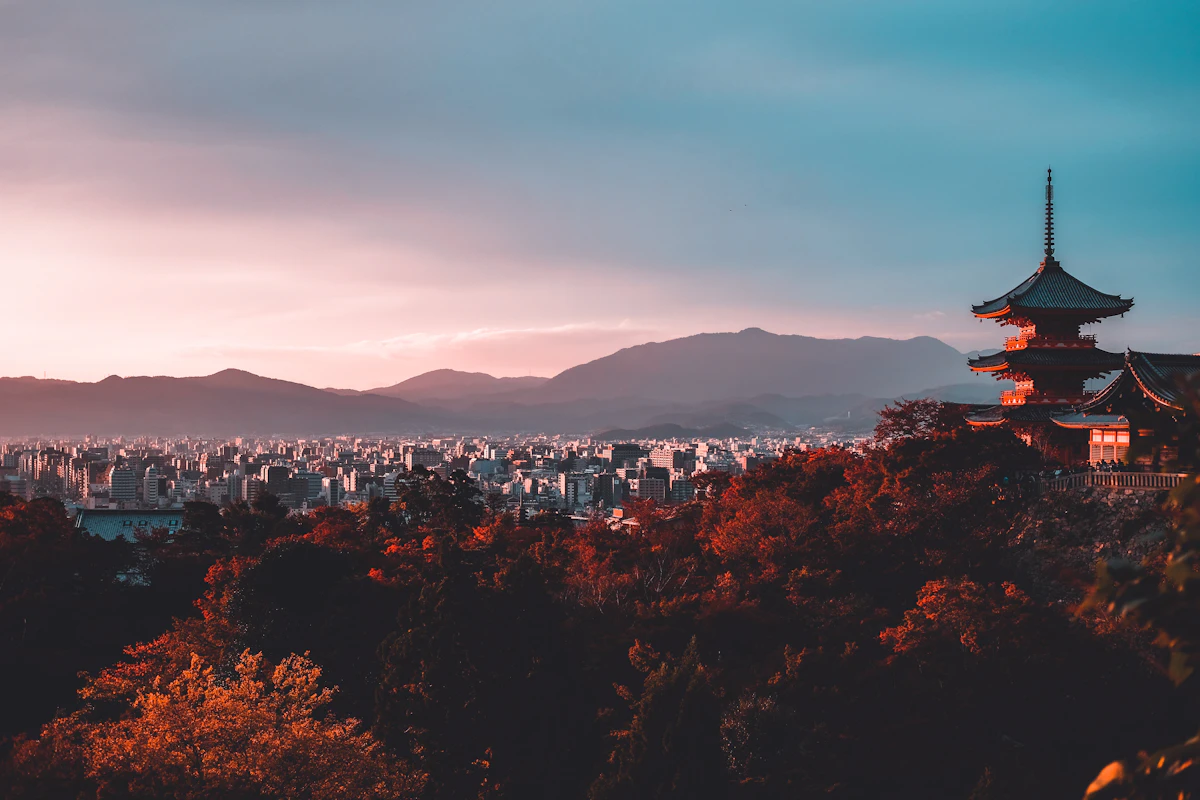
Beyond the main bamboo path, Arashiyama offers the scenic Togetsukyo Bridge spanning the Hozu River, traditional tea houses, and quiet temple complexes that most tourists overlook. The district's beauty earned it designation as one of Kyoto's most important historical and scenic preservation areas.
Best Season: Early morning in any season provides the most peaceful experience before tour groups arrive. Autumn brings stunning foliage to surrounding hillsides, while winter snow occasionally transforms the bamboo into a magical winter scene.
Travel Tip: Arrive at Arashiyama by 7 AM to experience the bamboo grove in near solitude. The crowds surge after 9 AM and remain heavy until evening. Consider combining your visit with a scenic train ride on the Sagano Romantic Train through the Hozu River gorge.
Shirakawa-go: Historic Villages in Alpine Settings
Shirakawa-go's gassho-zukuri farmhouses, with their steeply pitched thatched roofs designed to shed heavy snow, create one of Japan's most distinctive cultural landscapes. This UNESCO World Heritage village preserves traditional mountain architecture and farming practices while nestled in a dramatic alpine valley surrounded by forest-covered peaks. Among the most scenic places in Japan, Shirakawa-go stands out for its unique blend of architecture and natural beauty.
These massive farmhouses, some over 250 years old, were built without nails using sophisticated joinery techniques. The architectural style developed in response to the region's harsh winters and intensive sericulture industry. Many houses now operate as museums, restaurants, or guesthouses, allowing visitors to experience traditional rural life while supporting the village's preservation.
The village's scenic impact multiplies during winter when heavy snowfall transforms the valley into a white wonderland. Special evening illuminations in January and February showcase the snow-covered houses glowing against dark mountains, though these events attract massive crowds requiring advance reservations.
As noted by UNESCO World Heritage Centre, Shirakawa-go represents an outstanding example of traditional settlement patterns perfectly adapted to their natural and social environment, demonstrating sustainable mountain living practices developed over centuries.
Best Season: Winter offers the most dramatic scenery with heavy snow covering thatched roofs, though access can be challenging. Spring through autumn provides easier travel with equally beautiful mountain landscapes and traditional farming activities visible in surrounding rice paddies.
Travel Tip: Stay overnight in one of the farmhouse guesthouses to experience the village after day-trippers leave. Morning mist often fills the valley at dawn, creating atmospheric conditions perfect for photography. The nearby village of Gokayama offers similar architecture with far fewer visitors.
Nara Park: Sacred Deer Among Ancient Temples
Nara Park blends natural beauty with Japan's earliest Buddhist temples and over 1,000 semi-wild sika deer that roam freely through the grounds. These deer, considered sacred messengers of the Shinto gods, approach visitors without fear, creating uniquely interactive wildlife encounters against a backdrop of some of Japan's most historically significant architecture. This unique combination makes Nara one of the most scenic places in Japan for wildlife and cultural experiences.
Todai-ji Temple houses a massive bronze Buddha statue cast in 752 CE, while Kasuga Taisha Shrine features thousands of bronze and stone lanterns lining forest paths. The park's ancient trees, some over 1,000 years old, create cathedral-like spaces where dappled sunlight illuminates moss-covered stone lanterns and deer rest in the shade.
The scenic integration of wildlife, monumental architecture, and mature forest creates an atmosphere unlike any other Japanese destination. Walking from temple to temple through deer-filled meadows and ancient groves provides hours of exploration, with new compositions of wildlife and architecture around each bend.
Best Season: Autumn foliage season transforms the park into a golden wonderland, while spring brings cherry blossoms to temple grounds. Early morning visits any season offer the most peaceful deer interactions before school groups arrive.
Travel Tip: Purchase deer crackers from designated vendors to interact with the deer, but be prepared for persistent attention once you have food. The deer have learned to bow for treats, creating charming photo opportunities. Visit Kasuga Taisha's rear approach through the forest for the most atmospheric temple experience.
Kamikochi: The Japanese Alps' Premier Valley
Kamikochi Valley represents the crown jewel of the Japanese Alps, where crystal-clear rivers flow through glacial valleys surrounded by 3,000-meter peaks. Ranking among the most scenic places in Japan, this protected highland valley maintains pristine natural conditions through strict development controls and seasonal closures, preserving an alpine environment that feels remarkably wild despite excellent trail access.
The Azusa River flows turquoise through the valley floor, fed by snowmelt and mountain streams. The iconic Kappa Bridge provides dramatic views up the valley toward Mount Hotaka's jagged peaks. Well-maintained hiking trails range from easy riverside walks to challenging mountain ascents, accommodating every fitness level while showcasing alpine meadows, mirror-like ponds, and forest groves.
According to Japan's Ministry of Environment, Chubu Sangaku National Park, which includes Kamikochi, protects some of Japan's most pristine mountain ecosystems with strict regulations ensuring minimal human impact on these fragile environments.
Japanese macaques inhabit the surrounding forests, though sightings require patience and luck. The valley's isolation from urban development creates exceptional stargazing opportunities, with the Milky Way clearly visible on clear nights from mountain lodges.
Best Season: Late May through early June offers the most dramatic scenery with lingering snow on peaks contrasting against emerging spring greenery. October brings brilliant autumn colors to valley forests. The valley closes November through mid-April due to heavy snow.
Travel Tip: Private vehicles cannot enter Kamikochi, preserving its pristine character. Take buses from Takayama or Matsumoto, or hike in via mountain trails. Stay overnight at one of the valley's mountain lodges to explore trails at dawn when wildlife is most active and other visitors haven't arrived.
Miyajima Island: The Floating Torii Gate
Miyajima's iconic torii gate standing in the tidal waters represents one of Japan's most recognizable scenic views. This vermillion gate marks the entrance to Itsukushima Shrine, a UNESCO World Heritage site built on stilts over the water to preserve the island's sacred character. Considered one of the most scenic places in Japan, at high tide, the shrine and torii appear to float on the Seto Inland Sea, while low tide allows walking to the gate's base.
The island itself rises steeply from the sea, covered in primeval forests that shelter deer, temples, and hiking trails. Mount Misen's summit provides panoramic views across the Inland Sea's island-dotted waters. The ropeway shortens the ascent, though hiking the mountain trails passes ancient temples and massive boulders sacred in Shinto tradition.
Miyajima combines scenic coastal beauty with deep spiritual significance. The entire island was historically considered sacred, and commoners were forbidden from setting foot on its shores until modern times. This protection preserved the island's forests and natural character while allowing the development of magnificent religious architecture.
The scenic view guide at Japan Guide details the best viewing times for the torii gate based on tidal schedules, helping visitors plan for high-tide floating views or low-tide gate access.
Best Season: Autumn foliage season creates stunning contrasts between red maples and the vermillion shrine structures. Spring cherry blossoms add seasonal beauty, while summer provides the warmest weather for hiking Mount Misen. Winter offers fewer crowds and clear viewing conditions.
Travel Tip: Stay overnight on the island to experience it after day-trippers leave. The evening illumination of the shrine and torii gate creates magical atmospheres. Check tide tables to time visits for your preferred viewing conditions, whether floating high-tide views or low-tide walks to the gate.
Takayama and the Hida Region: Mountain Town Charm
Takayama preserves one of Japan's best-maintained historic districts where merchant houses and sake breweries line streets that haven't changed substantially in 300 years. Representing one of the most scenic places in Japan for cultural heritage, this mountain town serves as the cultural heart of the Hida region, where traditional crafts, cuisine, and festivals maintain living connections to feudal-era customs.
The scenic appeal combines preserved architecture with the dramatic mountain setting. The town sits in a river valley surrounded by the Northern Alps, where snow-capped peaks provide constant backdrop to traditional streetscapes. Morning markets along the river offer local produce, crafts, and the chance to observe daily life in this remarkably preserved mountain community.
Beyond the historic district, the surrounding Hida region offers scenic mountain villages, hot spring resorts, and access to the Japanese Alps. Traditional gassho-zukuri farmhouses dot mountain valleys, while hiking trails provide views of alpine landscapes that inspired generations of Japanese artists and poets.
Best Season: Spring and autumn provide the most comfortable temperatures for walking the historic district and exploring surrounding areas. The spring and autumn festivals showcase elaborate parade floats that are considered some of Japan's finest festival art. Winter brings heavy snow creating atmospheric historic streetscapes.
Travel Tip: Visit the Hida Folk Village open-air museum to see relocated traditional farmhouses in a mountain setting. Take early morning walks through the historic district before shops open to appreciate the architecture without crowds. Local sake breweries offer tastings of the region's excellent rice-based spirits.
Okinawa's Kerama Islands: Tropical Paradise
The Kerama Islands showcase Japan's tropical side with white-sand beaches, coral reefs, and waters that shift from turquoise to deep sapphire. As some of the most scenic places in Japan for beach lovers, these small islands west of Okinawa's main island offer the country's best beach scenery and some of its finest diving and snorkeling, with sea turtles frequently visible from shore.
Zamami Island's Furuzamami Beach combines classic tropical beauty with excellent marine life access. The beach's gentle slope and clear waters make it ideal for snorkeling among coral gardens populated by tropical fish. Humpback whales migrate through these waters January through March, with whale watching tours departing from several islands.
As described by National Geographic, Okinawa's islands represent a distinct cultural region with their own language, architecture, and traditions that differ significantly from mainland Japan, offering travelers entirely different perspectives on Japanese culture.
The islands' scenic beauty extends beyond beaches to coastal clifftops with panoramic ocean views and interior hills covered in subtropical vegetation. Small traditional villages preserve Okinawan architectural styles and customs, while the surrounding waters support diverse marine ecosystems protected as national parks.
Best Season: April through October provides the warmest water temperatures for swimming and snorkeling. Summer brings occasional typhoons but also the most vibrant marine life. Winter offers clearer visibility for diving and whale watching opportunities, though water temperatures require wetsuits.
Travel Tip: The Kerama Islands require ferry trips from Naha, Okinawa's capital. Stay overnight on the islands rather than day-tripping to experience beaches without crowds and enjoy sunset ocean views. Bring reef-safe sunscreen to protect the coral ecosystems that make these waters so scenic.
Nikko's Shrines and Lake Chuzenji: Mountain Sanctuary
Nikko combines some of Japan's most ornate religious architecture with dramatic mountain scenery. The Toshogu Shrine complex features incredible artistic detail, with buildings covered in gilt decorations, intricate carvings, and vivid colors that contrast sharply with the surrounding cryptomeria forest's somber greens. This combination makes Nikko one of the most scenic places in Japan for culture and nature enthusiasts alike.
Above the shrines, the mountain road climbs to Lake Chuzenji, a volcanic caldera lake surrounded by peaks that color brilliantly during autumn. Kegon Falls, one of Japan's highest waterfalls, plunges 97 meters from the lake's outlet. The combination of alpine scenery, waterfalls, and mountain lakes creates one of the most scenic areas within easy reach of Tokyo.
The Irohazaka Winding Road, with 48 hairpin turns named after the Japanese alphabet, provides continuously changing mountain views during the ascent to Lake Chuzenji. Hiking trails around the lake and into surrounding mountains offer further scenic exploration, from lakeside walks to serious mountain ascents.
According to UNESCO, Nikko's shrines and temples represent masterpieces of architectural and artistic achievement that demonstrate the profound relationship between architecture and surrounding forest environment in Japanese religious tradition.
Best Season: Autumn transforms Nikko into one of Japan's premier fall foliage destinations, with peak colors typically occurring mid to late October. Spring offers cherry blossoms and emerging foliage, while winter snow creates atmospheric conditions around the temples. Summer provides comfortable temperatures for mountain hiking.
Travel Tip: Purchase the two-day Nikko Pass for unlimited use of trains, buses, and shrine area access. Start your visit early at the shrines before tour groups arrive, then spend afternoons exploring Lake Chuzenji and surrounding areas. Stay overnight to catch sunrise at the shrines and explore hiking trails without time pressure.
Hakone's Volcanic Landscapes: Hot Springs and Views
Hakone offers diverse scenic experiences within a compact area easily accessible from Tokyo. As one of the most scenic places in Japan near the capital, this volcanic region combines active geothermal areas steaming with sulfurous vents, serene mountain lakes, hot spring resorts, and views of Mount Fuji from Lake Ashi's shores. The variety of landscapes makes Hakone an ideal destination for travelers wanting multiple scenic experiences without extensive travel.
Lake Ashi fills an ancient volcanic caldera, with replica pirate ships providing scenic cruises across waters that reflect Mount Fuji on clear days. The Hakone Ropeway traverses volcanic valleys where white plumes rise from active vents, passing over Owakudani's barren sulfurous landscape before descending to Togendai with expansive lake and mountain views.
The region's numerous hot spring resorts allow soaking in mineral-rich waters while enjoying mountain or lake views. Traditional ryokan inns provide classic Japanese hospitality, multi-course kaiseki meals, and bathing facilities ranging from indoor pools to outdoor baths carved into mountainsides with natural valley views.
Resources from Time Out Tokyo highlight Hakone as one of the most accessible scenic getaways from Japan's capital, combining natural beauty with cultural attractions and excellent tourist infrastructure.
Best Season: Autumn provides the most reliable Mount Fuji visibility along with beautiful foliage. Spring cherry blossoms add seasonal color, while winter offers the warmest hot spring experiences. Summer tends to have more clouds obscuring Fuji views but provides the greenest landscapes.
Travel Tip: Purchase the Hakone Free Pass covering transportation on the scenic loop route including train, cable car, ropeway, and boat. Complete the circuit in one direction to maximize different scenic perspectives. Stay overnight at a traditional ryokan for the full hot spring resort experience and better chances of clear morning Fuji views.
Planning Your Journey Through Beautiful Places in Japan
Experiencing these scenic destinations requires strategic planning to maximize both the visual impact and cultural depth of your journey. When visiting the most scenic places in Japan, the country's excellent transportation infrastructure makes multi-destination trips efficient, while seasonal timing determines whether you encounter cherry blossoms, autumn colors, or snow-covered landscapes.
Seasonal Considerations for Japan Nature and Culture
Spring's cherry blossom season draws millions of visitors, creating crowded conditions at popular destinations but unmatched scenic beauty. The cherry blossom front moves north from Kyushu in late March through Hokkaido in May, allowing travelers to follow the bloom across multiple regions.
Autumn's foliage season provides similar spectacular scenery with slightly fewer crowds and more comfortable temperatures. Colors peak first in northern regions and high mountains during October, progressing southward through November. Many of the most scenic places in Japan showcase their finest conditions during these brief weeks of peak color, making autumn an ideal time for photography and outdoor exploration.
According to Lonely Planet's Japan guide, shoulder seasons offer the best balance of good weather, reasonable crowds, and scenic beauty, particularly May-June and September-early October.
Travioz Insight: Consider visiting popular destinations during weekdays rather than weekends to avoid domestic tourist crowds. Many Japanese workers have limited vacation time, so weekday visits to places like Nikko or Hakone can be dramatically more peaceful than weekend trips.
Transportation and Regional Access
The Japan Rail Pass offers excellent value for travelers visiting multiple regions, providing unlimited use of most JR trains including shinkansen bullet trains. However, calculate whether your specific itinerary justifies the pass cost, as shorter trips may be cheaper with individual tickets.
Regional areas often require buses or local trains not covered by the JR Pass. Some scenic destinations like Kamikochi or Shirakawa-go require specific transportation arrangements due to limited access or vehicle restrictions. Research transportation options carefully when planning itineraries to remote scenic areas.
Cultural Respect and Sustainable Travel
Many beautiful places in Japan maintain their scenic character through local stewardship and respect for sacred or natural spaces. Visitors should honor temple protocols, stay on designated trails, and follow photography restrictions where posted. These practices ensure these landscapes remain preserved for future generations.
Supporting local businesses, choosing smaller guesthouses over international chains, and visiting lesser-known alternatives to famous sites helps distribute tourism benefits more widely. Many regions face overtourism pressures at a few famous locations while nearby scenic areas see few visitors.
For guidance on responsible travel practices, explore Travioz's sustainable travel resources.
Beyond the Famous Sites: Hidden Scenic Spots in Japan
While the destinations above represent Japan's most celebrated scenic locations, countless lesser-known places offer equally stunning beauty without the crowds. Exploring beyond the most scenic places in Japan, the Kumano Kodo pilgrimage trails through Wakayama's mountains combine ancient spiritual routes with primeval forest scenery. The Izu Peninsula offers dramatic coastal cliffs, hot spring villages, and views of Mount Fuji from southern perspectives rarely photographed.
Northeastern Japan's Tohoku region harbors incredible scenic destinations largely overlooked by international visitors. Among the hidden scenic places in Japan, Lake Towada fills a volcanic caldera with extraordinarily clear waters, while the Shirakami-Sanchi beech forests preserve some of Japan's last old-growth temperate forests. These areas offer authentic experiences of Japan's natural beauty without the tourism infrastructure that transforms more famous destinations.
According to Rough Guides, venturing beyond the Tokyo-Kyoto corridor reveals regions where traditional Japanese life continues with minimal tourist influence, providing deeper cultural insights alongside spectacular natural scenery.
Island destinations like Naoshima in the Seto Inland Sea combine contemporary art installations with coastal scenery, creating unique experiences where modern culture integrates with natural beauty. Each of Japan's regions offers distinctive landscapes, architecture, and cultural traditions waiting for travelers willing to explore beyond the most famous sites.
Conclusion: Your Journey Through Japan's Scenic Wonders
The most scenic places in Japan offer far more than beautiful photographs. They provide windows into how Japanese culture has developed in conversation with dramatic natural landscapes, how seasonal changes shape both the environment and cultural practices, and how modern Japan maintains connections to ancient spiritual and aesthetic traditions. Visiting these scenic places in Japan creates unforgettable memories that blend visual splendor with cultural depth.
Whether you're drawn to volcanic peaks reflecting in alpine lakes, temple gardens that have evolved over centuries, coastal scenes where islands dot tranquil seas, or mountain villages preserving traditional architecture, Japan rewards travelers who approach these landscapes with curiosity and respect. Each destination reveals layers of meaning beyond initial visual impact, from religious significance to ecological importance to the craftsmanship required to build and maintain these places.
Begin planning your exploration of beautiful places in Japan by identifying which landscapes and experiences resonate most strongly with your interests. When researching the most scenic places in Japan, consider whether you prioritize natural wilderness, cultural sites, seasonal phenomena, or some combination. Research seasonal timing carefully, as the same location can appear dramatically different between cherry blossom season, summer greenery, autumn colors, or winter snow.
Remember that the journey between destinations often provides unexpected scenic moments. Train windows frame constantly changing views of rice paddies, mountains, and coastal scenes. Local buses navigate mountain passes with panoramic vistas. Walking between temples reveals neighborhood gardens and mountain views that don't appear in guidebooks.
Travioz encourages slow, mindful travel that allows time to absorb these landscapes rather than rushing to check items off lists. Spend extra days in regions that captivate you. Take early morning walks before sites open. Engage with local people who maintain and protect these scenic places. These experiences create the memories that persist long after returning home.
Japan's scenic diversity means every traveler can find landscapes that speak to them personally, whether ancient pilgrimage trails through cedar forests, modern art islands in coastal waters, or alpine valleys unchanged for millennia. The most scenic places in Japan await your exploration, each offering unique perspectives on natural beauty and cultural heritage. Your journey through these beautiful places awaits. Where will you explore first?
For more inspiration and detailed travel guides, explore Travioz's Japan destination resources and begin crafting your perfect scenic adventure.